
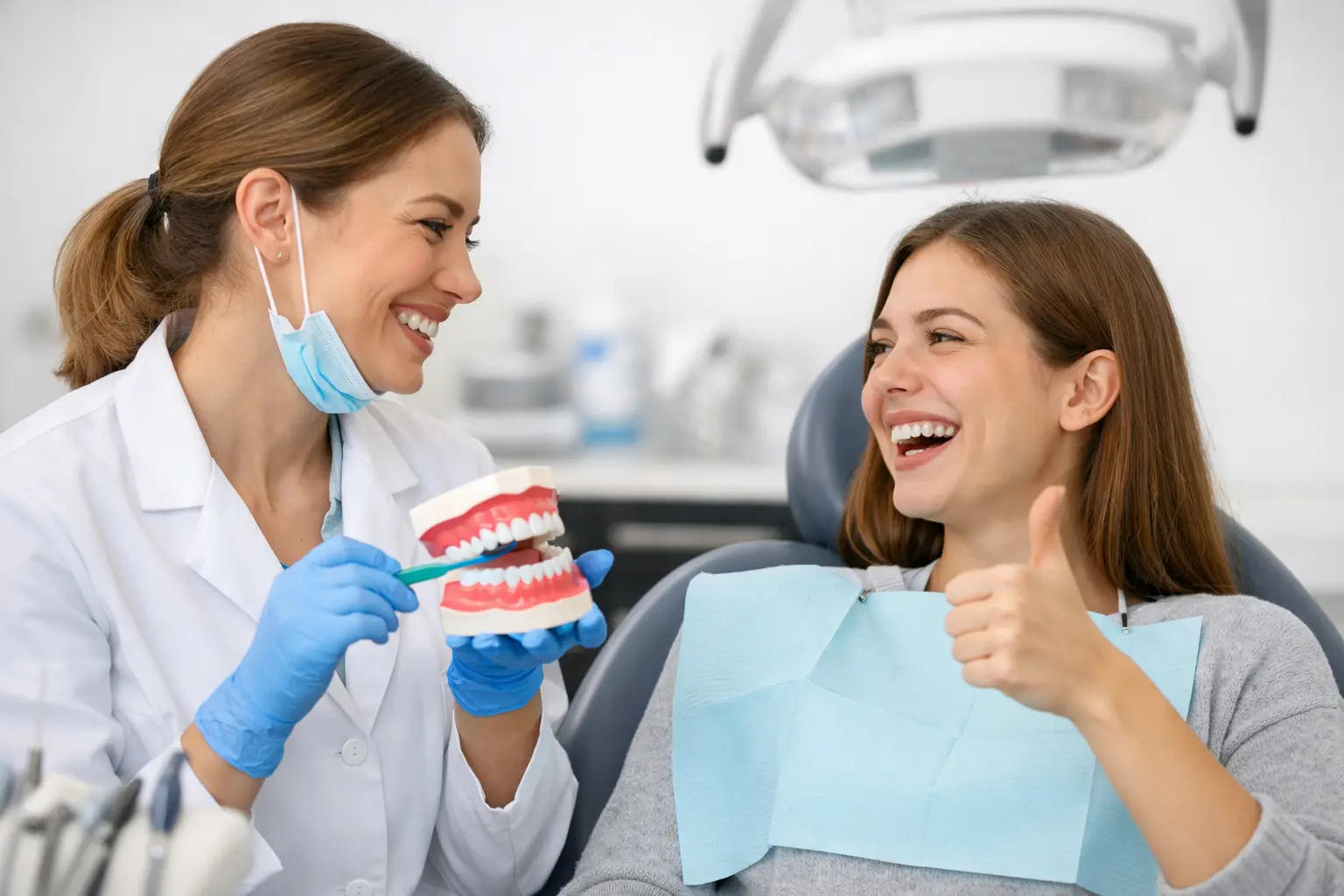
A small cavity is easy to miss until it turns into a toothache on a Friday night. That is exactly why people ask, what is preventive dental care? At its core, preventive dental care is the everyday and professional care that helps stop dental problems before they become painful, expensive, or harder to treat.
Preventive care is not just about keeping teeth looking clean. It is about protecting your gums, catching issues early, and lowering the chances of needing more involved treatment later. For children, adults, and seniors, it is one of the most practical ways to support long-term oral health.
What is preventive dental care and what does it include?
Preventive dental care includes the habits you keep at home and the care you receive at your dental office to reduce the risk of cavities, gum disease, enamel wear, and other oral health problems. It usually includes routine exams, professional cleanings, X-rays when needed, fluoride support, and guidance on brushing, flossing, and diet.
That may sound simple, but simple does not mean minor. Many common dental issues start quietly. Plaque can build up along the gumline without much warning. A small area of decay can form without pain. Grinding, clenching, dry mouth, and even certain medications can slowly affect your teeth and gums over time.
Preventive care works because it focuses on early action. Instead of waiting for discomfort, swelling, or a broken tooth, it looks for patterns and risks before they become bigger problems.
Why preventive dental care matters
Most people would rather avoid dental emergencies than deal with them. Preventive care helps make that possible.
When plaque is not removed well enough at home, it can harden into tartar. Once tartar forms, regular brushing cannot remove it. That buildup can irritate the gums, increase inflammation, and raise the risk of gingivitis or more advanced periodontal disease. Professional cleanings help remove what home care cannot.
There is also a financial side to prevention. A routine visit is usually far simpler and less costly than treating a deep cavity, gum infection, cracked tooth, or missing tooth. Preventive care is not a guarantee that you will never need restorative treatment, but it often reduces how severe those needs become.
It also supports your overall health. Oral health and general health are closely connected. Inflammation in the gums, untreated infection, and chronic dry mouth can all affect quality of life and may complicate other health concerns. Being proactive with dental care is part of taking care of your whole body.
The main parts of preventive dental care
Preventive dentistry is not one single appointment. It is a combination of professional care and daily habits working together.
Dental exams
Routine exams give your dentist a chance to check for early signs of decay, gum disease, bite issues, worn enamel, oral lesions, and other concerns that may not be obvious to you yet. This is often where small issues are found while they are still manageable.
An exam can also reveal patterns. If you are grinding your teeth, breathing through your mouth at night, skipping flossing in one area, or struggling with dry mouth, your dental team may see the evidence before you feel symptoms.
Professional cleanings
Even people who brush carefully can miss areas, especially around the molars, along the gumline, or behind crowded teeth. A professional cleaning removes plaque and tartar buildup and helps reduce the risk of cavities and gum irritation.
Cleanings also create a useful reset. After buildup is removed, it is easier to maintain healthy habits at home and easier for your dentist or hygienist to spot any changes at your next visit.
X-rays and diagnostic imaging
Not every problem is visible during a standard exam. X-rays help detect decay between teeth, changes below the gumline, infection, bone loss, or developing issues with tooth roots. The timing depends on your age, dental history, symptoms, and risk level.
This is one of those areas where preventive care is not exactly the same for everyone. Someone with a history of frequent cavities may need closer monitoring than someone with a very stable dental record.
Fluoride and protective treatments
Fluoride helps strengthen enamel and can lower the risk of cavities. For some patients, especially children or adults with higher cavity risk, fluoride treatments are a helpful part of prevention.
Dental sealants may also be recommended, particularly for children and teens. Sealants are thin protective coatings placed on the chewing surfaces of molars, where grooves can trap food and bacteria more easily.
Home care guidance
Good preventive care does not stop when you leave the office. Brushing twice a day with fluoride toothpaste, flossing daily, and keeping up with a healthy routine at home are essential.
What matters, though, is not just whether you brush. It is how well you brush, how often you floss, and whether your routine fits your actual needs. Some patients benefit from electric toothbrushes. Others may need interdental brushes, dry mouth support, or advice on reducing sugar exposure throughout the day.
What preventive dental care looks like at different ages
Preventive care changes over time because your mouth changes over time.
For children, the focus is often on cavity prevention, healthy brushing habits, fluoride, sealants, and monitoring how teeth and jaws are developing. Early visits also help children become comfortable with the dental setting, which can make future care easier.
For teens and adults, prevention often includes cavity control, gum health, monitoring wisdom teeth, checking for bite wear, and watching for signs of stress-related grinding. Diet, sports, orthodontic history, and lifestyle habits can all affect risk.
For older adults, preventive care may also involve managing dry mouth, protecting exposed root surfaces, monitoring existing dental work, and supporting gum health as needs change. If someone has crowns, bridges, implants, or dentures, maintenance becomes an important part of prevention too.
How often should you get preventive dental care?
Many people do well with checkups and cleanings every six months, but that is not a rule for every single patient. Some people need more frequent visits, especially if they have gum disease, a high cavity risk, heavy tartar buildup, or certain medical conditions that affect oral health.
Others may have a very stable history and need a different schedule based on their dentist’s recommendation. The right timing depends on your mouth, not just a calendar.
That is one reason personalized care matters. A preventive plan should reflect your age, habits, dental history, and risk factors rather than using the same approach for everyone.
Common signs you may need to be more proactive
Sometimes people assume they are fine because nothing hurts. Dental problems do not always announce themselves early.
If your gums bleed when you brush or floss, if you have ongoing bad breath, sensitivity, frequent plaque buildup, dry mouth, or you have not had a dental visit in a while, it may be time to take a closer look at your preventive routine. The same is true if you snack frequently, sip sweet drinks throughout the day, or notice clenching and jaw tension.
These issues do not always mean something serious is already wrong. They often mean your mouth would benefit from more support now, before a bigger issue develops.
Preventive dental care is different from cosmetic care
This is a common point of confusion. Preventive dental care is meant to protect oral health and reduce the risk of disease or damage. Cosmetic dentistry focuses on improving the appearance of your smile.
Sometimes the two overlap. For example, straightening teeth may make them easier to clean, and restoring a damaged tooth can improve both function and appearance. But whitening your teeth is not preventive care in the same way that an exam, cleaning, or fluoride treatment is.
At a full-service practice such as Oakville Dental House, this distinction is useful because many patients want both health and aesthetics. Prevention creates the foundation that makes everything else more predictable.
What is preventive dental care really about?
It is about staying ahead of problems instead of reacting to them. It is about having a dental team that notices changes early, explains what is happening clearly, and helps you keep your care manageable.
For some patients, that means routine cleanings and a few small adjustments at home. For others, it may mean more frequent hygiene visits, fluoride support, or monitoring areas that are more vulnerable. Either way, prevention is not about perfection. It is about consistency, early attention, and making smart choices before discomfort forces the issue.
If it has been a while since your last visit, the next step does not need to feel complicated. A calm, thorough preventive appointment can tell you where things stand and what your mouth needs now – nothing more, nothing less.
Healthy smiles are usually built quietly, one good habit and one well-timed visit at a time.
2 Responses
[…] dental hygiene clean is one of the most practical forms of preventive care. It is not only about making teeth feel smooth. It is also about catching early signs of gum […]
[…] is where prevention quietly does its best work. You may not feel the benefit of brushing and flossing in a dramatic way […]