
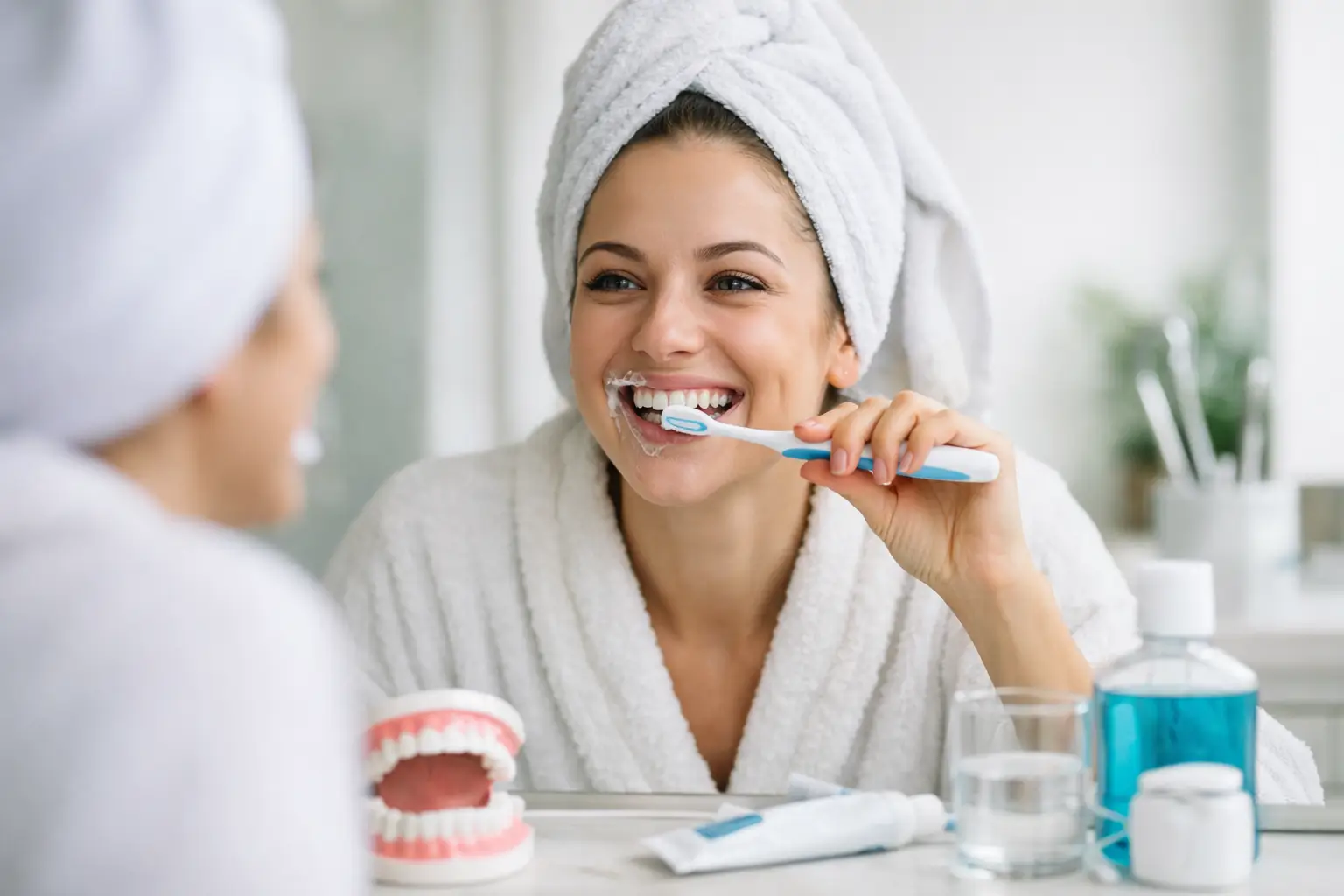
That fuzzy feeling on your teeth at the end of the day is more than annoying – it is a sign that plaque is building up. If you have ever wondered how to maintain dental hygiene without overcomplicating your routine, the good news is that the basics still matter most. A few steady habits, done well and done consistently, make the biggest difference for your teeth, gums, and overall comfort.
How to maintain dental hygiene at home
Good oral care is not about chasing perfection. It is about keeping bacteria under control every day so they do not have the chance to cause cavities, gum inflammation, bad breath, or staining. Most people do not need a bathroom full of products. They need the right technique, a realistic routine, and regular check-ins with a dental team that can catch problems early.
Brushing twice a day is the foundation. Use a soft-bristled toothbrush and fluoride toothpaste, and give yourself a full two minutes each time. That sounds simple, but many people either rush or focus only on the front teeth. Plaque tends to collect along the gumline and around the back molars, so those areas need just as much attention. Small circular motions usually work better than aggressive scrubbing, which can irritate gums and wear down enamel over time.
Your toothbrush matters, but your brushing style matters more. Manual and electric toothbrushes can both clean effectively when used properly. Electric brushes can be especially helpful for children, people with braces, or anyone who tends to brush too hard or too quickly. If you use a manual brush, replace it every three to four months, or sooner if the bristles start to fray.
Flossing is where many routines fall apart. People often skip it because they do not see immediate results, but flossing removes plaque and food particles from between teeth where your toothbrush cannot reach. That matters because cavities often start in those tight spaces, and gum disease often begins there too. If traditional floss feels awkward, floss picks, interdental brushes, or a water flosser may be easier to use consistently. The best option is usually the one you will actually keep using.
Mouthwash can help, but it should not replace brushing or flossing. A fluoride rinse may strengthen enamel and lower cavity risk, while an antibacterial rinse can reduce bacteria and improve breath. Still, it depends on your needs. Some people benefit from it daily, while others may do well without it. If you have dry mouth, frequent cavities, or gum irritation, a dentist may recommend a specific type instead of a one-size-fits-all product.
The daily habits that protect your teeth
How to maintain dental hygiene is not only about what happens at the sink. Your everyday choices affect your mouth more than many people realize.
What you eat and drink has a direct impact on your oral health. Sugary snacks and drinks feed the bacteria that produce acid, and acid weakens enamel. Sticky foods can be especially troublesome because they cling to the teeth longer. That does not mean you need to avoid every treat. It means frequency matters. Sipping soda over several hours or grazing on sweets throughout the day exposes your teeth to repeated acid attacks. Having those items with a meal instead of constantly between meals is usually a better approach.
Water helps more than people think. Drinking water throughout the day helps wash away food debris, supports saliva production, and keeps your mouth from drying out. Saliva plays a major protective role because it helps neutralize acids and remineralize enamel. If you often wake up with a dry mouth, breathe through your mouth, or take medications that reduce saliva, that is worth mentioning at your dental visit. Dry mouth can quietly increase your cavity risk.
Bad breath is another sign that a routine may need work. Sometimes it comes from food or coffee, but persistent bad breath can point to plaque buildup, gum disease, dry mouth, or untreated decay. Cleaning your tongue can help because bacteria collect there too. A tongue scraper or toothbrush used gently once a day can make a noticeable difference.
Smoking and tobacco use make dental hygiene harder to maintain. They contribute to staining, bad breath, gum disease, delayed healing, and a higher risk of oral cancer. Vaping is often seen as a cleaner alternative, but it can still affect oral tissues and contribute to dryness and irritation. If you use tobacco or nicotine products, regular dental care becomes even more important.
Why technique matters more than effort
A common mistake is assuming that harder brushing means cleaner teeth. In reality, brushing too forcefully can cause gum recession and sensitivity. Think thorough, not harsh. Angle the toothbrush toward the gumline and move methodically from section to section so you do not miss areas.
Timing also matters. Brushing right after acidic drinks like soda, sports drinks, or citrus juice can do more harm than good because enamel is temporarily softened. Waiting about 30 minutes gives saliva time to rebalance the mouth. If you want to freshen up sooner, rinsing with water is a better choice.
Children need help longer than many parents expect. Even when kids want independence, they often lack the hand control to brush and floss thoroughly. A good rule is to supervise until they can consistently clean every surface well. Making oral care part of the family routine often works better than turning it into a nightly battle.
For teens and adults with braces, bridges, implants, or crowns, cleaning takes more attention, not less. Orthodontic brackets create extra hiding places for plaque. Dental restorations need healthy surrounding gum tissue to last. Specialized tools like threaders, interdental brushes, or water flossers can make these routines easier and more effective.
How to maintain dental hygiene with professional care
Home care is essential, but it is only part of the picture. Professional cleanings remove hardened plaque, called tartar, that brushing and flossing cannot remove once it has formed. Dental exams also catch issues early, when treatment is usually simpler, more comfortable, and less expensive.
How often you need visits depends on your mouth, not just the calendar. Many patients do well with cleanings every six months, but others may benefit from more frequent hygiene visits if they are prone to gum disease, heavy tartar buildup, dry mouth, or recurring cavities. This is one of those areas where personalized care matters. A routine that works for one person may not be enough for another.
Professional care is also where small concerns can be addressed before they become bigger ones. Bleeding gums, sensitivity, jaw discomfort, and changes in breath are easy to dismiss at home. In a dental office, they can be evaluated in context. That is especially helpful for families, where needs can vary widely between a child getting used to brushing and an adult managing older dental work.
At a practice like Oakville Dental House, one advantage of comprehensive care is that prevention, hygiene, and restorative needs can be looked at together. That kind of coordination can make it easier to stay ahead of problems instead of reacting to them later.
When your routine needs adjusting
Even a strong routine may need occasional changes. If your gums bleed every time you floss, that usually does not mean you should stop. More often, it means inflammation is already present and needs consistent cleaning to improve. If bleeding continues, a dental exam is the right next step.
If your teeth feel sensitive, your products may be part of the issue. Whitening toothpaste can be abrasive for some people, and certain mouthwashes can be irritating if used too often. On the other hand, a sensitivity toothpaste may help if enamel is worn or roots are exposed. This is where guessing can slow you down. A tailored recommendation is often more useful than trying three random products from the store.
The same goes for cosmetic goals. If you want a brighter smile, be careful not to trade long-term health for short-term whitening. Healthy enamel and healthy gums always come first. The cleanest-looking smile is one that is well cared for, not just whiter.
Dental hygiene does not have to be complicated to be effective. Brush gently and thoroughly, clean between your teeth every day, be mindful of sugar and dryness, and keep your regular dental visits on the calendar. Small habits tend to feel ordinary while you are doing them, but over time they are what keep your smile comfortable, healthy, and easy to live with.
No responses yet