
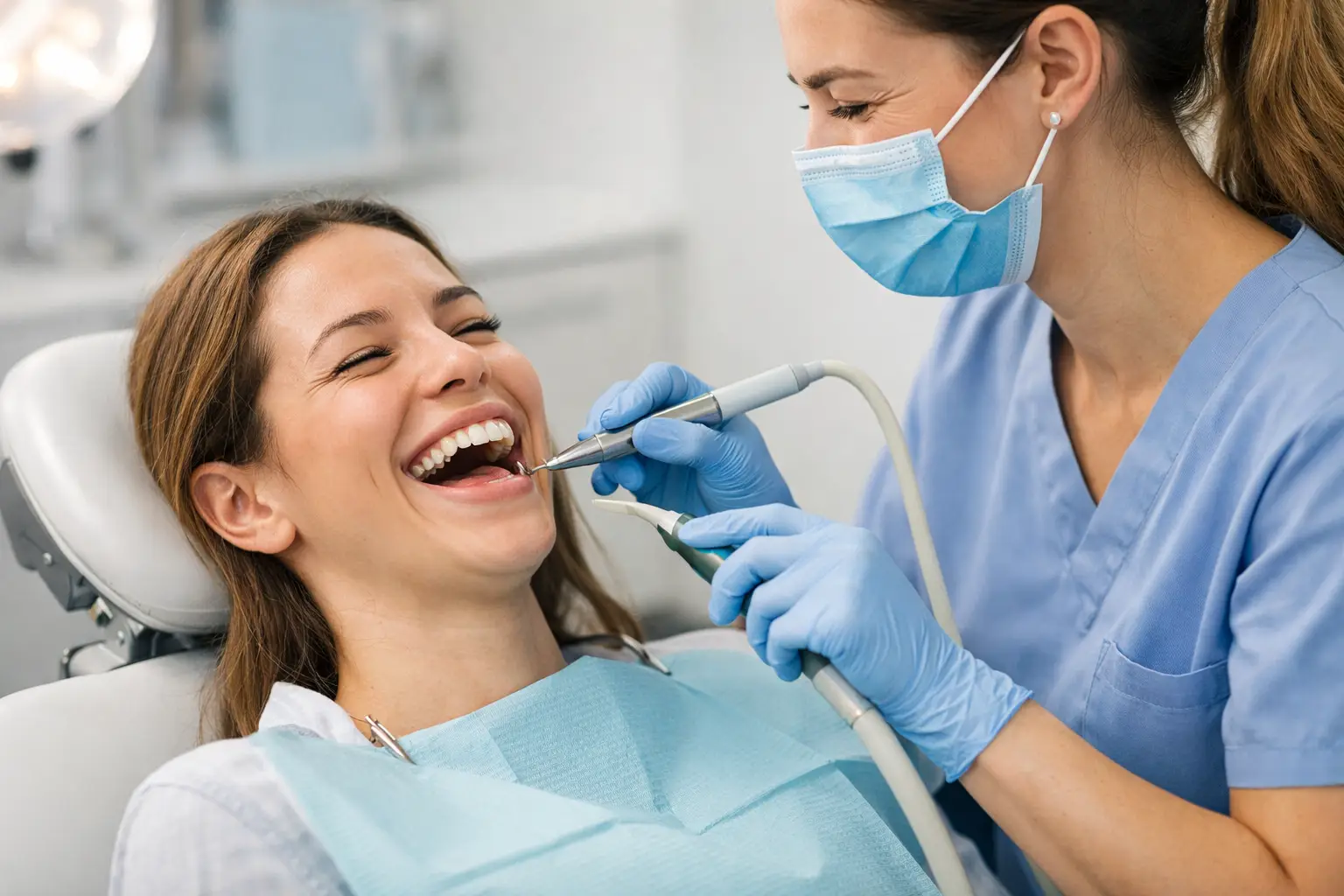
If you have ever sat in the chair wondering what is a dental hygiene clean and whether it is different from a regular dental checkup, you are not alone. Many patients use the word cleaning to describe the whole appointment, but the hygiene portion has a very specific purpose. It is focused on removing buildup, checking gum health, and helping you keep your teeth and mouth healthy between visits.
A dental hygiene clean is one of the most practical forms of preventive care. It is not only about making teeth feel smooth. It is also about catching early signs of gum disease, reducing harmful bacteria, and giving you guidance that fits your daily habits. For adults, children, and families, it is one of the simplest ways to avoid bigger dental problems later.
What is a dental hygiene clean, exactly?
A dental hygiene clean is a professional preventive treatment performed by a dental hygienist, often as part of a routine dental visit. During the appointment, the hygienist removes plaque and tartar from the teeth, cleans along the gumline, polishes the tooth surfaces, and may also floss and apply fluoride if needed.
The part many people cannot do at home is tartar removal. Plaque is the soft, sticky film that builds up on teeth every day. If it is not removed well enough with brushing and flossing, it can harden into tartar. Once that happens, it cannot be brushed away. It needs professional instruments to be safely removed.
This is one reason a hygiene clean matters even for people who are very consistent with home care. Good brushing helps a lot, but it does not always reach every area evenly, especially around the back teeth, along the gumline, or between crowded teeth.
What happens during a dental hygiene clean?
Most hygiene appointments are straightforward, but the exact steps can vary based on your oral health, how long it has been since your last visit, and whether you have gum inflammation or heavy buildup.
Usually, the visit begins with an oral assessment. Your hygienist may look at your gums, measure the spaces around your teeth, review any changes in your health, and talk with you about sensitivity, bleeding, or trouble spots. If dental X-rays are due, they may be taken to help the dental team check for areas that are harder to see during a visual exam.
The cleaning itself often starts with scaling. This means removing plaque and tartar from the teeth and along the gumline using hand instruments, ultrasonic tools, or both. Ultrasonic tools use vibration and water to loosen deposits, which can make the process more efficient, especially when there is more buildup.
After scaling, the teeth may be polished to remove surface stains and leave the enamel feeling smooth. In many cases, flossing follows to clean between the teeth and confirm that debris has been removed. Some patients also receive a fluoride treatment to help strengthen enamel and lower the risk of cavities.
At some point during the visit, your hygienist may also talk with you about home care. That might include brushing technique, flossing, using an electric toothbrush, or choosing products for dry mouth, sensitivity, or gum concerns. This part is easy to overlook, but it is often where patients get the most useful advice for day-to-day prevention.
How is it different from a dental exam?
A cleaning and an exam often happen at the same appointment, but they are not the same thing. The hygiene clean focuses on prevention and removal of buildup. The exam is performed by the dentist and focuses on diagnosis.
During the exam, the dentist checks for cavities, worn fillings, cracks, bite issues, oral tissue concerns, and signs of disease. The hygienist and dentist work as a team, but their roles are different. When both happen together, you get a more complete picture of your oral health.
This is one reason regular visits are so valuable. A clean mouth can still have a cavity, and teeth that look fine can still have early gum problems. Having both the cleaning and the exam helps address what is happening now and what might need attention next.
Why dental hygiene cleans matter beyond fresh teeth
A lot of people think of cleanings as cosmetic because the teeth feel smoother and look brighter afterward. That is certainly a benefit, but the bigger value is health.
Plaque and tartar hold bacteria against the teeth and gums. Over time, that can lead to gingivitis, which is the early stage of gum disease. Gums may become red, swollen, or prone to bleeding. If the problem continues, it can progress into periodontitis, where the supporting bone and tissues around the teeth are affected.
That progression is not always dramatic or painful at first. In many cases, gum disease starts quietly. A routine hygiene clean helps remove the conditions that let it develop, and it gives the dental team a chance to spot changes early.
Cleanings can also help reduce staining from coffee, tea, wine, or tobacco. They are not a substitute for whitening, but they can improve the appearance of your smile by removing surface discoloration. For many patients, that fresh, smooth feeling is also a strong reset point that makes it easier to get back into a consistent routine at home.
Does everyone need the same type of cleaning?
Not always. This is where a little nuance matters.
Many patients receive what people think of as a standard routine cleaning. That is appropriate when the gums are generally healthy and the buildup is manageable. But if you have signs of gum disease, deeper pockets around the teeth, or a history of periodontal issues, you may need more involved hygiene care.
That could mean a deeper cleaning approach, more frequent maintenance visits, or closer monitoring over time. It does not mean something is wrong beyond repair. It simply means your mouth needs a different level of support.
There is also a timing factor. Someone who comes in every six months and has excellent home care may have a quick, comfortable visit. Someone who has gone several years between appointments may need a longer session or more than one appointment to remove heavier tartar safely and thoroughly.
How often should you get a dental hygiene clean?
For many patients, every six months is a common recommendation. That schedule works well for a large number of adults and children because it allows the dental team to remove buildup before it becomes more serious and monitor for changes consistently.
Still, six months is not a rule for every single person. Some patients benefit from more frequent visits, such as every three or four months. This is often the case for people with gum disease, a history of rapid tartar buildup, braces, dry mouth, diabetes, or other factors that can affect oral health.
Others may have a lower risk profile and a very stable history. The best schedule depends on your needs, not just a calendar reminder.
Does a dental hygiene clean hurt?
Most routine cleanings are very manageable. If your gums are healthy and the buildup is light, the appointment may feel more like pressure or vibration than pain. Some areas can be a little sensitive, especially near the gumline, but many patients do well without any special measures.
If there is significant tartar, gum inflammation, or sensitive roots, you may notice more discomfort. That does not mean you should avoid the visit. In fact, delaying care often makes the next appointment more uncomfortable because more buildup has time to accumulate.
If you tend to feel nervous or have sensitive teeth, let the team know before the cleaning begins. Small adjustments can make a big difference, from taking more breaks to using gentler techniques or comfort options when appropriate.
What should you do after your appointment?
After a standard cleaning, most people can return to normal activity right away. Your teeth may feel especially smooth, and your gums may be a little tender if there was more buildup to remove. If fluoride was applied, you may be asked to wait a short time before eating or drinking.
The best thing to do afterward is keep the momentum going. Brush twice a day with fluoride toothpaste, clean between your teeth daily, and follow any product recommendations that were tailored to your needs. If your hygienist pointed out a certain area that traps plaque, pay extra attention there.
A hygiene appointment works best when it is part of an ongoing routine, not a once-in-a-while reset.
When should you book one?
If it has been more than six months since your last visit, if your gums bleed when you brush, or if your teeth feel like they have rough areas near the gumline, it is a good time to book. The same goes if you have bad breath that keeps returning or if you simply cannot remember your last cleaning.
At Oakville Dental House, the goal is to make preventive care feel clear, comfortable, and worthwhile, not rushed or intimidating. A dental hygiene clean is one of the simplest ways to protect your smile now and make future dental care easier. If you have been putting it off, this is a good place to start.
No responses yet