
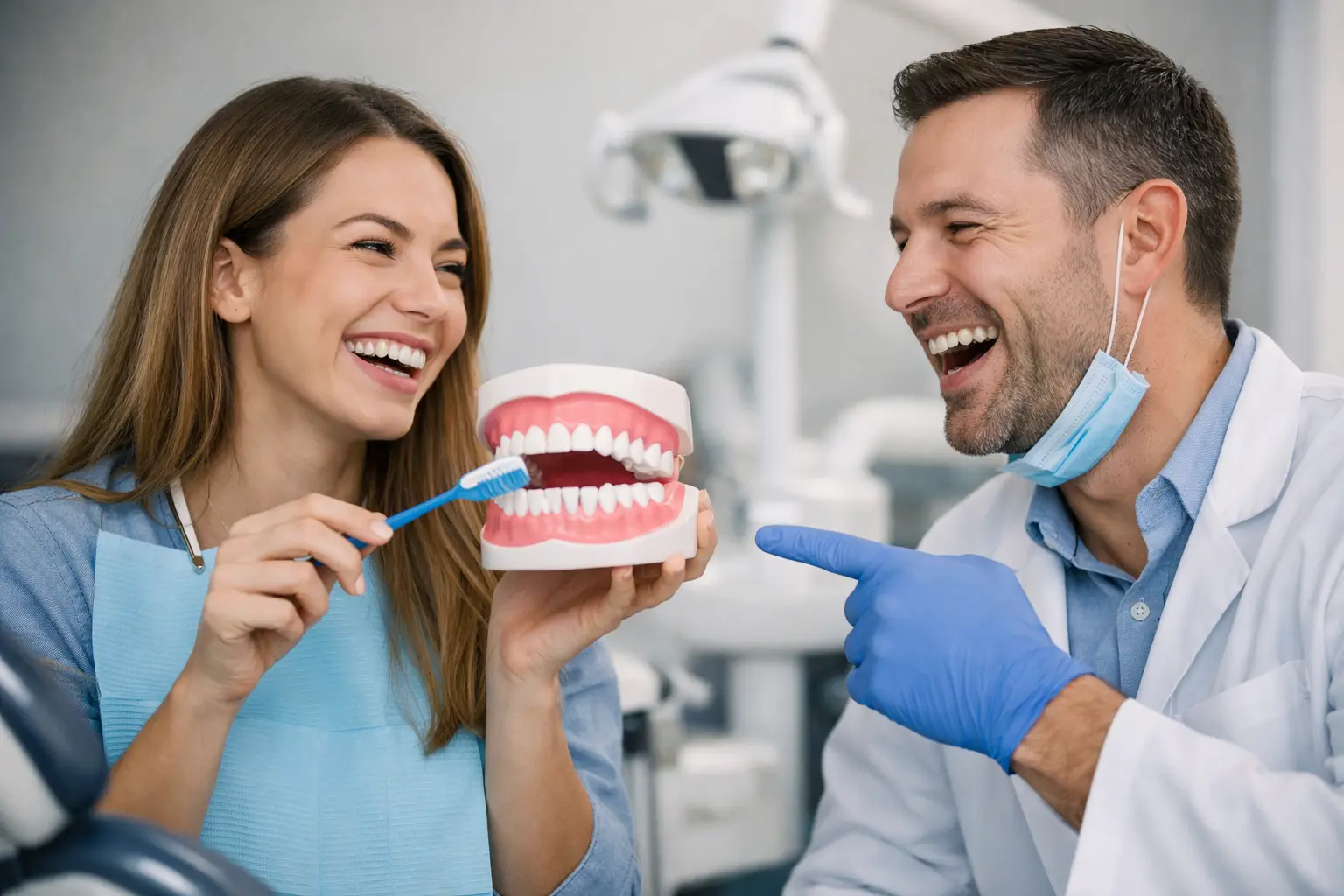
A toothbrush can only do so much after a week of rushed mornings, skipped flossing, and one more cup of coffee on the go. Most people do not notice a problem until their gums bleed, their breath changes, or a small cavity starts to feel less small. That is exactly why the importance of dental hygiene shows up in everyday life long before a dental emergency does.
Good dental hygiene is not about chasing a perfect smile or following a strict routine for the sake of it. It is about keeping your mouth healthy enough to stay comfortable, function well, and support your overall health over time. For busy adults, growing families, and anyone trying to stay ahead of bigger dental problems, the small habits matter more than most people think.
The importance of dental hygiene goes beyond clean teeth
When people hear dental hygiene, they often think of brushing twice a day and scheduling a cleaning now and then. That is part of it, but not the whole picture. Dental hygiene includes the daily care that helps control plaque, protect enamel, support gum health, and reduce the risk of decay and infection.
Plaque is soft and easy to ignore at first. Left alone, it hardens into tartar and creates a better home for bacteria. That shift can lead to cavities, gingivitis, bad breath, and eventually more advanced gum disease. At that point, the issue is not just cosmetic. It can affect comfort, confidence, and the long-term stability of your teeth.
This is where prevention quietly does its best work. You may not feel the benefit of brushing and flossing in a dramatic way from one day to the next, but over months and years, those habits lower the chance of needing more extensive treatment. They also make dental visits simpler, faster, and often less stressful.
What happens when dental hygiene slips
Poor dental hygiene rarely starts with a major problem. It usually begins with small signs that are easy to brush off. A little bleeding while flossing. A rough feeling near the gumline. Breath that does not stay fresh for long. Sensitivity when drinking something cold.
Sometimes those symptoms improve with better home care. Sometimes they signal that plaque and bacteria have already been sitting in the wrong places for too long. If that buildup continues, the consequences can become more serious.
Cavities are one common result. Gum inflammation is another. In more advanced cases, infection can affect the tissues and bone that support the teeth. That can lead to gum recession, loose teeth, and treatment that is more involved than a routine cleaning or small filling.
There is also the practical side. When preventive care gets pushed aside, people often end up needing more time in the dental chair later. What could have been handled with a regular hygiene visit may turn into restorative work, added appointments, or a larger cost than expected.
Why gum health deserves more attention
Teeth usually get the spotlight, but gums do a lot of quiet work. They protect the roots of your teeth and help keep everything stable. When gums are healthy, they fit snugly around the teeth and create a strong foundation. When they are irritated or infected, that foundation starts to weaken.
Bleeding gums are often treated as normal, especially by people who have not had a cleaning in a while. They are common, but they are not a sign that everything is fine. In many cases, bleeding means the gums are inflamed and need more attention, not less.
The good news is that early gum issues are often reversible. Better brushing, daily flossing, and professional cleanings can make a real difference. Once gum disease becomes more advanced, treatment may take more time and commitment. That is one reason the importance of dental hygiene is really the importance of staying ahead of avoidable problems.
Dental hygiene and your overall health
The mouth is not separate from the rest of the body. Ongoing inflammation and oral bacteria can affect more than just teeth and gums. While every situation is different, there is a well-established connection between oral health and overall health.
People managing conditions such as diabetes often need to be especially mindful of dental hygiene because gum inflammation can complicate blood sugar control, and blood sugar challenges can also make gum issues harder to manage. Dry mouth, whether caused by medication, stress, or health changes, can also increase the risk of decay because saliva plays an important role in protecting teeth.
This does not mean every dental concern points to a broader health issue. It does mean your mouth can offer early clues about habits, inflammation, and changes worth paying attention to. Regular dental hygiene care helps catch those changes sooner.
What good dental hygiene looks like at home
Most people do not need a complicated routine. They need a consistent one. Brushing thoroughly twice a day with fluoride toothpaste is the baseline. Flossing once a day matters because a toothbrush cannot clean between teeth or under the gumline very well.
Technique also matters. Fast brushing that misses the back teeth and gumline is common. So is flossing only when something feels stuck. A gentler, more thorough approach usually works better than brushing harder. Scrubbing too aggressively can wear on enamel and irritate the gums.
Your routine may need adjusting depending on your needs. If you wear braces or aligners, have crowns or implants, deal with dry mouth, or tend to build tartar quickly, the right tools can look a little different. An electric toothbrush, interdental brushes, or a fluoride rinse may help, but it depends on your mouth and your risk factors.
Diet plays a role too. Frequent sipping of sugary drinks, sports drinks, or even acidic beverages can keep teeth under constant pressure. This does not mean you can never enjoy them. It means timing, moderation, and rinsing with water afterward can make a difference.
Why professional cleanings still matter
Even patients with strong home care habits can miss spots. Once plaque hardens into tartar, brushing and flossing at home will not remove it. That is one of the biggest reasons routine hygiene appointments remain so valuable.
Professional cleanings remove buildup in areas that are harder to reach and easier to overlook. They also create an opportunity to check for early signs of decay, gum disease, bite changes, worn enamel, and other issues that may not be causing pain yet.
That early view matters. Dental problems are often easier to treat when they are found before they become urgent. A small cavity is simpler than a larger one. Mild gum inflammation is easier to manage than advanced periodontal disease. Prevention is not just about avoiding treatment. It is about keeping treatment smaller when it is needed.
For families, this matters across every age group. Children benefit from building good habits early. Adults benefit from maintaining them through busy schedules and changing health needs. Older adults may need extra support as medications, restorations, and gum recession affect oral health in different ways.
The importance of dental hygiene for confidence and comfort
There is also a personal side to all of this. A healthy mouth tends to feel better day to day. Eating is easier. Sensitivity is less distracting. Breath stays fresher. Smiling feels more natural when you are not worried about visible buildup, inflamed gums, or discomfort.
That does not mean dental hygiene is about appearance alone. It means confidence often follows comfort. When your mouth feels healthy, you are less likely to avoid photos, cover your smile, or put off care because you are worried about what a dentist might find.
At a full-service practice like Oakville Dental House, hygiene care is also part of a bigger picture. Routine visits can support everything from preventive care to restorative or cosmetic treatment planning, all with continuity from a team that knows your oral health history.
Consistency beats perfection
Many patients assume they have to get everything right all at once. That idea often backfires. If your routine has slipped, the answer is not guilt. It is getting back to the basics and asking for help if something feels off.
A better toothbrush, a cleaner flossing technique, a more realistic schedule, or a professional cleaning can reset more than people expect. If your gums bleed, your teeth feel sensitive, or it has been longer than you planned since your last visit, those are good reasons to check in, not reasons to wait.
The importance of dental hygiene is simple at its core. It protects your teeth, supports your gums, helps prevent avoidable treatment, and keeps your mouth healthier through every stage of life. A few steady habits now can spare you a lot of discomfort later, and that is always time well spent.
No responses yet