
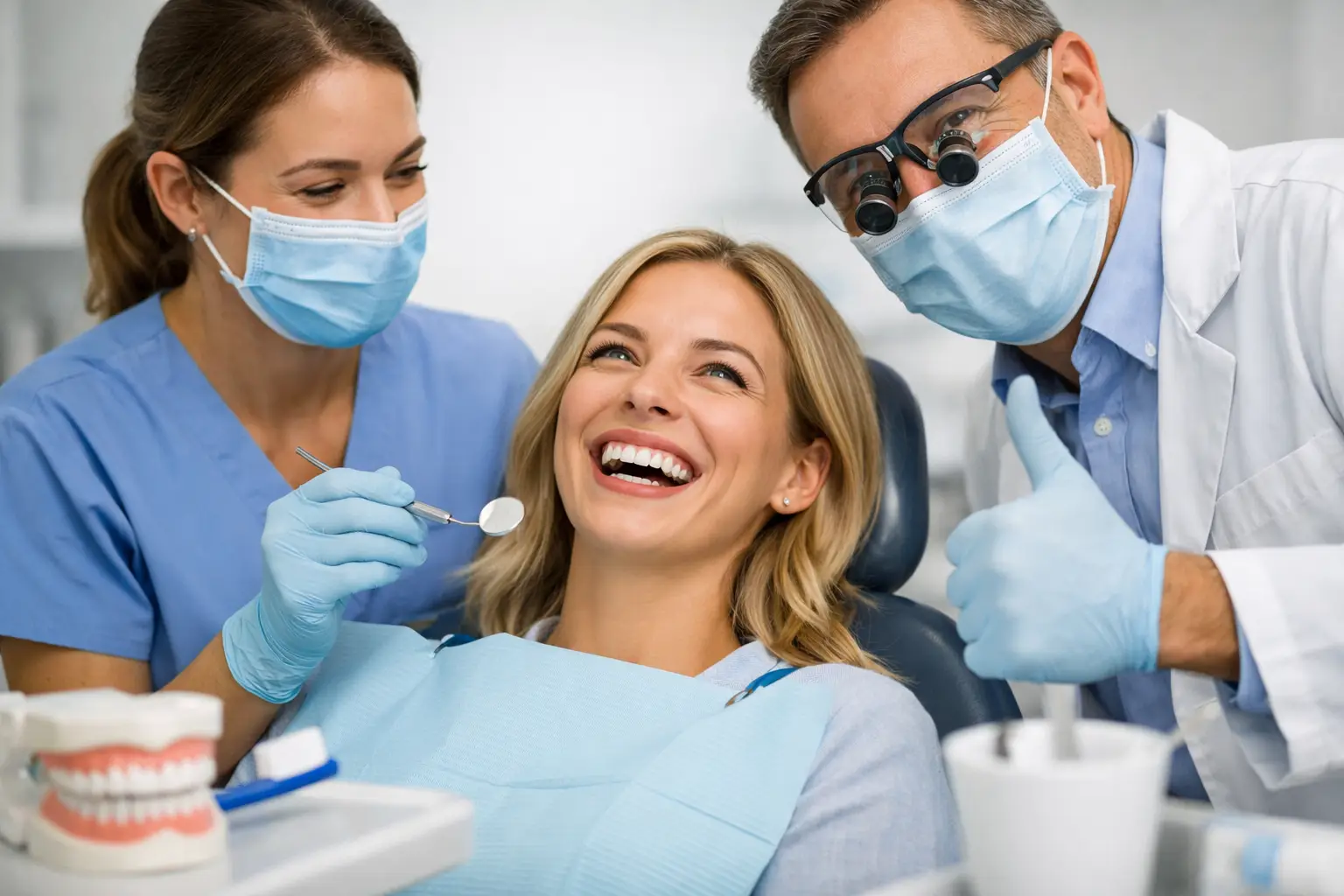
A small cavity rarely starts with pain. Bleeding gums usually do not announce themselves as a major problem either. Most dental issues begin quietly, which is exactly why preventive dental hygiene care matters so much. It gives you the chance to protect your teeth and gums before discomfort, cost, or more involved treatment enters the picture.
For many patients, prevention sounds simple on paper – brush, floss, get your cleaning, and move on. In real life, it is a little more personal than that. Your routine, risk factors, age, health history, and habits all shape what effective care looks like. Good prevention is not one-size-fits-all. It is consistent, practical, and tailored to what your smile actually needs.
What preventive dental hygiene care really includes
Preventive dental hygiene care is the ongoing work of keeping your mouth healthy and catching small concerns early. That includes professional cleanings, dental exams, at-home brushing and flossing, and guidance that helps you lower your risk of cavities, gum disease, enamel wear, and other avoidable problems.
Professional hygiene visits do more than polish teeth. They remove buildup that brushing alone cannot fully reach, especially around the gumline and between teeth. Even patients with excellent home care can develop tartar over time, and once it hardens, it needs to be removed professionally.
Exams are another key part of prevention. A dentist is not only looking for cavities. They are also checking gum health, signs of bite problems, areas of wear, older restorations, and changes in the soft tissues of the mouth. The value is in finding something early, when treatment is usually simpler and less stressful.
Why prevention often saves more than it costs
Patients sometimes delay hygiene visits because nothing feels wrong. That instinct is understandable, but oral health problems are often easier to treat in their earliest stages. A minor cavity may need a small filling. Left alone, the same tooth can progress to needing a crown or root canal. Mild gingivitis can often improve with timely cleanings and better home care. Advanced gum disease is more difficult to reverse.
There is also the comfort factor. Preventive care tends to be gentler than corrective care. Most people would rather spend time maintaining their smile than responding to pain, swelling, or a broken tooth. Prevention supports confidence too. A healthy mouth is easier to keep clean, fresher to live with, and better positioned for any future cosmetic or restorative treatment.
For families, prevention creates rhythm. When regular visits are part of normal life, children grow up seeing dental care as routine rather than intimidating. Adults also benefit from that consistency, especially when work, parenting, and packed schedules make it easy to put personal care on hold.
Preventive dental hygiene care at home
The foundation of prevention starts at home, and the basics still matter. Brushing twice a day with fluoride toothpaste, flossing once a day, and limiting frequent sugary snacks go a long way. But technique matters as much as intention.
Brushing too quickly misses plaque. Brushing too hard can irritate gums and wear enamel near the gumline. Flossing only when food gets stuck is not the same as daily plaque removal. Many patients are doing most things right but would benefit from small adjustments, such as changing brush pressure, using a soft-bristled toothbrush, or adding a fluoride rinse if they are prone to cavities.
Dry mouth is another factor people often overlook. Certain medications, mouth breathing, and some health conditions reduce saliva flow, which raises cavity risk. If your mouth feels dry often, prevention may need to include product recommendations or more frequent monitoring.
Diet matters too, although not always in the obvious way. It is not only about candy. Sipping sweetened coffee for hours, frequent sports drinks, acidic beverages, and constant snacking can all keep the mouth in a cycle that supports decay or enamel erosion. In many cases, changing timing and frequency helps as much as changing the food itself.
How often should you come in?
This is where prevention becomes personal. Many patients do well with hygiene visits every six months. Others benefit from more frequent care, especially if they have a history of gum disease, heavy tartar buildup, dry mouth, frequent cavities, diabetes, orthodontic appliances, or smoking-related risks.
Children may need preventive support that includes sealants or fluoride treatments. Adults with crowns, implants, or bridges may need a little more attention around those areas to keep everything stable. Pregnant patients can also experience changes in gum health and may need closer observation during that time.
The right schedule depends on what your mouth tends to do over time, not just what is convenient on the calendar. A good dental team will help you understand whether standard recall visits are enough or whether your smile would benefit from a shorter interval.
The connection between gums and overall health
People often think of dental care as separate from the rest of the body, but the mouth does not operate on its own. Gum inflammation can affect daily comfort, chewing, and breath, but it can also reflect broader health patterns. Conditions such as diabetes may influence gum health, and ongoing oral inflammation is not something to ignore.
That does not mean every dental concern becomes a major medical issue. It means prevention supports your general well-being in practical ways. If your gums bleed regularly, your teeth feel sensitive, or you avoid chewing on one side, those are useful signals. Paying attention early is part of good health care.
What patients sometimes miss about prevention
One common misunderstanding is that a clean-looking smile must be a healthy smile. Teeth can appear white while cavities are forming between them or while gum disease is developing below the surface. Another misconception is that no pain means no problem. Many early-stage concerns are painless.
There is also a tendency to think prevention only applies to people with natural teeth and no previous dental work. In reality, patients with fillings, crowns, veneers, implants, or dentures still need preventive support. Restorations improve function and appearance, but they do not eliminate the need for hygiene care. In some cases, they make regular maintenance even more important.
Prevention is also not about perfection. Missing a flossing session or having a stressful season does not erase your progress. What matters is returning to a routine and keeping up with visits so small changes do not become bigger ones.
A more comfortable dental experience makes prevention easier
One reason patients put off preventive care is not lack of knowledge. It is discomfort, anxiety, or the feeling of being rushed through appointments. A welcoming office can make a real difference. When the environment feels calm and the team takes time to explain what they are seeing, prevention becomes much easier to keep up with.
That is especially true for families and for patients who have had difficult dental experiences in the past. If your dental home feels approachable, you are more likely to ask questions, stay consistent, and address concerns while they are still manageable. At Oakville Dental House, that balance of modern care and a more comfortable experience is part of what helps prevention feel realistic for busy local families.
When preventive care turns into treatment planning
Sometimes a preventive visit uncovers something that needs treatment. That is not a failure of prevention. It is prevention working as intended. Finding a cracked filling, an early cavity, or gum inflammation before it becomes painful is exactly the point.
It also helps when your care is coordinated in one place. If a hygiene appointment leads to a restorative need, having a team that already understands your history can make next steps feel clearer and less fragmented. For patients, convenience is not a luxury. It often determines whether care happens promptly or gets delayed.
Building a routine you can actually maintain
The best preventive plan is one you can keep. That usually means a realistic home routine, a visit schedule based on your risk level, and advice that fits your life. A parent of young children may need quick, workable strategies. A teen with braces needs different guidance than a retiree managing dry mouth. Someone interested in cosmetic dentistry may first need gum health stabilized before moving forward.
There is no single perfect formula, but there is a clear pattern: patients who stay connected to preventive dental hygiene care usually deal with fewer surprises. They have more opportunities to protect what is healthy, monitor what is changing, and make informed decisions before problems become urgent.
A healthy smile is not built in one appointment. It is built in the small choices that are repeated over time, supported by a dental team that knows you, tracks changes, and helps you stay ahead of them.
One response
[…] of home care and professional hygiene as a team. Daily brushing and flossing control buildup between visits. Professional cleanings […]