
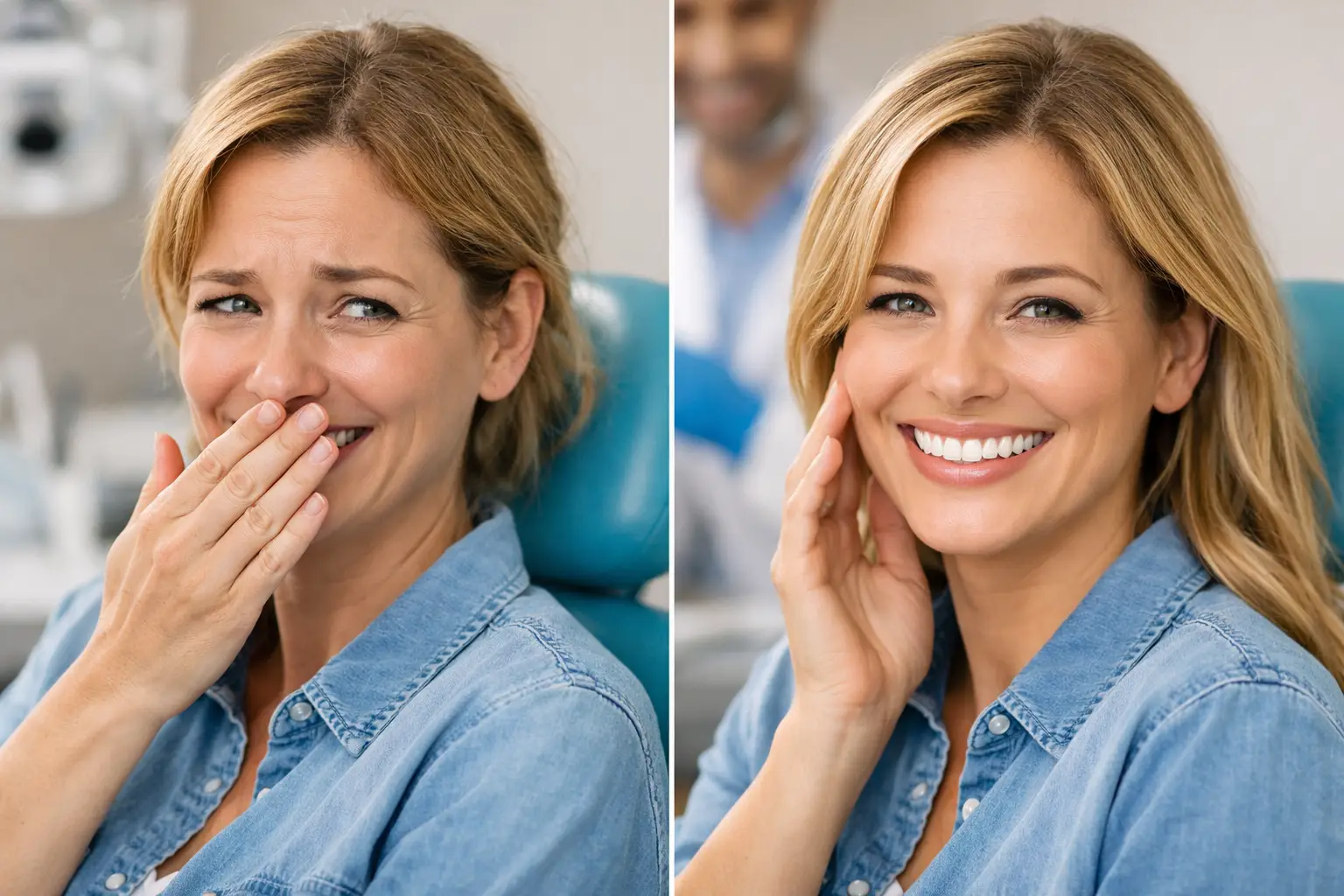
A smile makeover is rarely about one tooth. More often, it is about how shape, color, spacing, gum line, and bite work together. That is where advanced cosmetic dentistry stands apart. It goes beyond simple whitening or a quick fix and looks at the full picture so your smile feels natural, healthy, and truly yours.
For many patients, the question is not whether they want a better-looking smile. It is whether they can improve it without ending up with teeth that look too bright, too uniform, or out of place with their face. A thoughtful cosmetic plan should never make you look like someone else. It should help you look refreshed, balanced, and more confident when you speak, laugh, and show your teeth.
What advanced cosmetic dentistry really means
Advanced cosmetic dentistry combines esthetic treatment with careful planning, dental function, and long-term oral health. Instead of focusing on one concern in isolation, it considers how several treatments may work together. That might include whitening, veneers, bonding, gum shaping, clear aligners, crowns, or restorative care that improves both appearance and strength.
The word advanced does not just refer to technology, though that can certainly help. It also reflects a higher level of diagnosis and coordination. If a patient has worn edges, old dental work, uneven gums, and slight crowding, the best result usually comes from sequencing treatment properly rather than rushing into the most visible procedure first.
That matters because cosmetic dentistry is not only visual. Your bite, enamel condition, gum health, and habits such as clenching all influence what will look good and what will last.
When cosmetic concerns are more than cosmetic
Many people seek treatment because they are bothered by stains, chips, gaps, or uneven teeth. Those are valid reasons to explore care. But in many cases, these issues overlap with structural or functional concerns.
A chipped front tooth may be the result of grinding. Uneven tooth length may be linked to wear. A smile that looks crowded may also be harder to clean well. Dark or discolored teeth may have older restorations that no longer match. This is one reason a full-service practice can make the process easier. Cosmetic improvements often work best when they are planned alongside preventive and restorative care, not separated from it.
In practical terms, that can mean treating gum inflammation before veneers, replacing worn fillings before whitening shade is selected, or addressing alignment before reshaping teeth. It is a more complete approach, and patients usually appreciate that it avoids rework later.
Advanced cosmetic dentistry treatments that are often combined
The most effective smile improvements are often built from a few carefully chosen treatments rather than one dramatic procedure. Teeth whitening can brighten the overall smile, but it may need to be paired with bonding or porcelain restorations if certain teeth are misshapen or heavily restored. Veneers can transform shape and symmetry, but they are not the answer for every patient, especially if minor alignment changes would create a more conservative result.
Clear aligners may be part of a cosmetic plan when spacing, crowding, or bite position affects appearance. Moving teeth first can reduce the need to remove healthy enamel later. Gum contouring may be considered if the teeth look short or uneven because of excess gum tissue. In other cases, crowns or implant restorations may be the right choice when a tooth needs both cosmetic and structural repair.
This is where good planning matters. The goal is not to sell a menu of services. The goal is to choose the least invasive path that still gives a strong, lasting result.
Veneers, bonding, and whitening are not interchangeable
Patients sometimes come in asking for one treatment when another would suit them better. That is understandable because these options can sound similar from the outside. They are not.
Whitening changes tooth color, but it does not alter shape, close gaps, or repair wear. Bonding can reshape small areas and improve chips or minor spacing, often with less preparation, but it may not offer the same longevity or stain resistance as porcelain. Veneers can create major cosmetic change in color, shape, and proportion, yet they require more planning and are best used when their benefits clearly outweigh simpler options.
There is no single best cosmetic treatment for every smile. The right choice depends on your goals, your enamel, your bite, your budget, and how much change you want.
Why planning matters as much as the procedure
A beautiful result usually starts long before treatment day. Photos, digital imaging, bite evaluation, shade selection, and a close review of facial proportions all help guide the outcome. Small decisions make a big difference. A tooth that is slightly too long, too opaque, or too square can change the whole look of a smile.
Good cosmetic planning also includes honest conversation. Some patients want a noticeable transformation. Others want improvements that no one can quite identify, only that they look better. Neither goal is wrong, but they lead to different choices in shape, shade, and treatment extent.
It is also important to talk about trade-offs. For example, the brightest shade is not always the most natural-looking one. Closing every tiny space may not suit the patient’s face. Pursuing perfect symmetry can sometimes make a smile feel less real. The best work respects character while improving harmony.
Natural-looking results come from restraint
This point is easy to miss when cosmetic dentistry is shown only in before-and-after photos. More treatment does not always mean a better result. In fact, some of the best outcomes are intentionally subtle.
A well-designed smile should fit your features, age, and expressions. It should work when you are speaking, not just when you are posed in a chair. That takes technical skill, but it also takes restraint. Experienced cosmetic care is often about knowing what not to change.
Who may be a good candidate
Many adults are candidates for advanced cosmetic dentistry, but readiness depends on oral health as much as appearance. If you have active decay, gum disease, uncontrolled grinding, or untreated bite issues, those concerns may need attention first. That is not a setback. It is how durable results are built.
Cosmetic treatment can be a strong option for patients who feel self-conscious about worn teeth, discoloration, asymmetry, spacing, or older dental work that no longer blends naturally. It can also help after life events that change the smile over time, such as aging, orthodontic relapse, fractures, or years of coffee, tea, and tobacco staining.
For some patients, the biggest benefit is emotional. They smile more easily in photos, stop covering their mouth when laughing, and feel less distracted by one feature they have noticed for years. Those changes are personal, but they are very real.
What to expect from a more complete cosmetic process
The process usually begins with a conversation about what you see in your smile and what you hope will change. From there, an exam helps determine whether cosmetic care should be simple, staged, or combined with restorative treatment. Some patients move forward with one targeted improvement. Others benefit from a phased plan that spreads treatment over time.
That flexibility matters. Not every patient wants or needs a full smile makeover at once. Sometimes the right first step is whitening before deciding on veneers. Sometimes alignment comes first. Sometimes replacing one visible restoration makes enough of a difference that broader treatment can wait.
At Oakville Dental House, this kind of planning can be especially helpful because cosmetic, preventive, and restorative services are coordinated in one place. For patients, that often means less back-and-forth, clearer communication, and a treatment plan that feels easier to follow.
Choosing a dentist for advanced cosmetic dentistry
Cosmetic results depend on more than artistic taste. You want a dental team that looks at smile design alongside function, oral health, and long-term maintenance. Ask how treatment is planned, whether more conservative options are considered, and how the team handles cases that involve both cosmetic and restorative needs.
You should also feel comfortable asking practical questions. How long will the result last? What maintenance is expected? What happens if you grind your teeth? Will future dental work still match? These are not small details. They shape how satisfied you will be a year or five years from now.
The right cosmetic care should feel personalized, not rushed. It should leave room for discussion, thoughtful sequencing, and realistic expectations.
A better smile is not about chasing perfection. It is about creating something healthy, balanced, and believable enough that it feels like you from the start.
No responses yet