
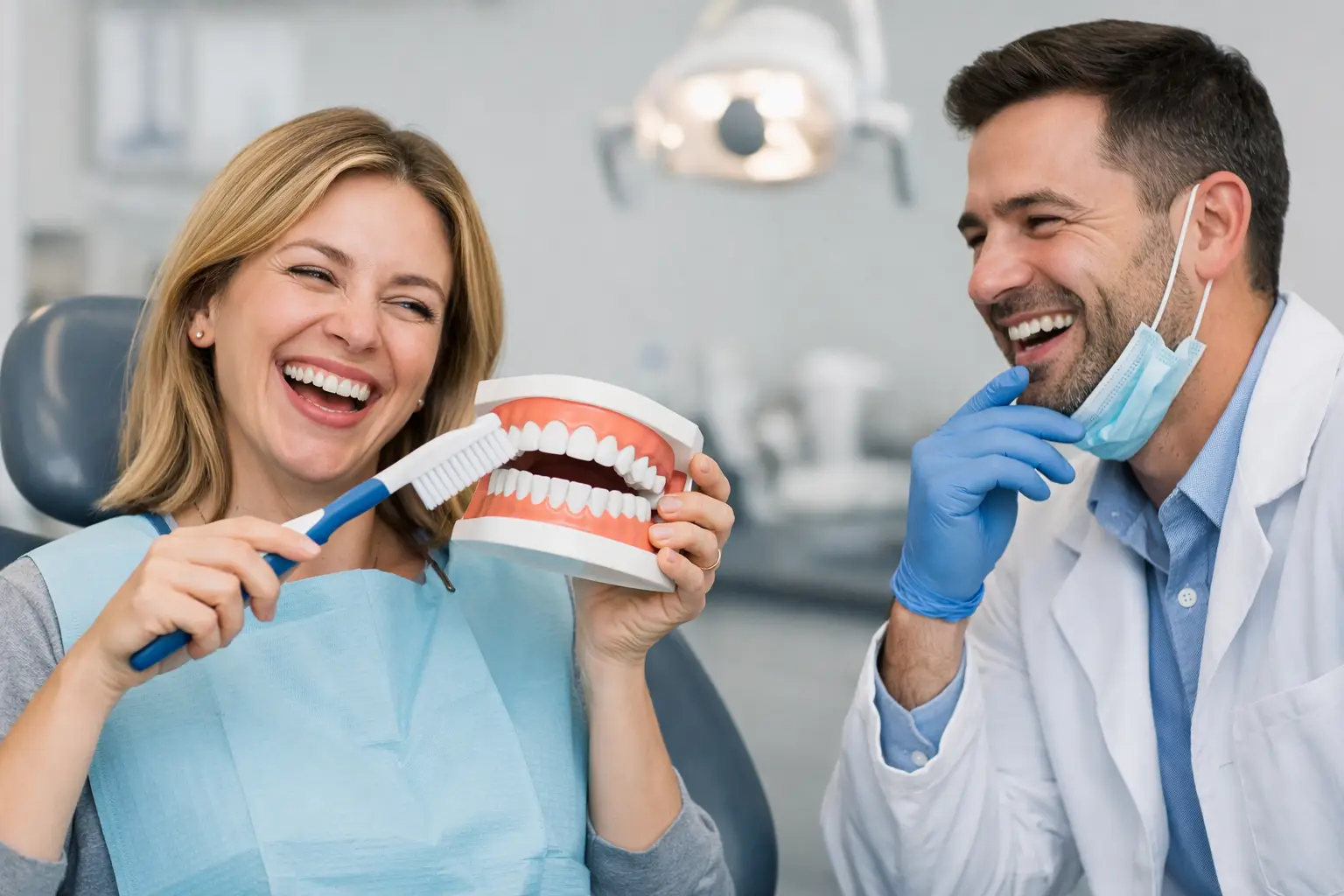
Most people do not think much about their gums until they bleed, their breath changes, or a routine cleaning turns into a much longer appointment. That is usually when the question shifts from brushing habits to why dental hygiene matters in the first place.
Dental hygiene is not just about keeping teeth white or your mouth feeling fresh after a cleaning. It is the steady, preventive part of oral care that helps you avoid pain, protect your natural teeth, and catch small concerns before they become expensive or complicated. For families, busy adults, and anyone trying to stay ahead of dental problems, that matters more than most people realize.
Why Dental Hygiene Is About More Than Clean Teeth
When people hear dental hygiene, they often think of brushing, flossing, and professional cleanings. Those are the basics, but the real value goes deeper. Plaque is constantly forming on your teeth. If it is not removed well at home and regularly addressed during hygiene visits, it can harden into tartar, irritate the gums, and create the conditions for decay and gum disease.
That process is usually gradual. You may not feel anything right away. A cavity can begin without pain. Gum inflammation can start with mild bleeding and seem easy to ignore. Dental hygiene helps interrupt those problems early, before they begin to affect comfort, appearance, or long-term oral health.
This is one reason preventive care is so important. Treatment is always more involved once damage has already happened. A simple cleaning and exam are very different from a filling, gum therapy, crown, or tooth replacement.
Why Dental Hygiene Supports Your Whole Mouth
Your mouth works as a system. Teeth, gums, bone, bite, and soft tissues all influence one another. When hygiene slips, the effects do not stay neatly contained to one spot.
For example, gum inflammation can make your mouth feel sore and sensitive, but it can also affect how stable your teeth remain over time. Plaque around the gumline may seem minor at first, yet untreated buildup can lead to deeper pockets around the teeth and more serious periodontal issues. Once bone support is affected, the conversation changes from prevention to management.
There is also the comfort factor. People often put off hygiene visits because nothing hurts yet. The trade-off is that waiting can make later care less comfortable and more time-consuming. In many cases, staying consistent is the easier path.
The Day-to-Day Benefits People Notice First
Some of the biggest reasons patients stay on top of dental hygiene are the everyday ones. Fresh breath is an obvious benefit, but it is not the only one. A clean mouth tends to feel better, look better, and function better.
Teeth often appear brighter after professional hygiene care because surface stains from coffee, tea, and food are removed. Gums can look healthier and less puffy. Brushing at home becomes more effective when there is less hardened buildup in the way. Even eating can feel more comfortable when inflammation is reduced.
These changes may sound small, but they affect confidence. People notice when they feel comfortable smiling, talking, and sitting close to others without worrying about their breath or the appearance of their teeth.
Why Dental Hygiene Matters for Long-Term Costs
Preventive care is usually the more predictable and affordable side of dentistry. That does not mean every issue can be avoided. Genetics, medications, grinding, diet, and age all play a role. Still, regular hygiene visits often reduce the risk of bigger problems or help identify them earlier.
A small cavity caught during a routine appointment is typically simpler to treat than one that grows until it affects the nerve of the tooth. Mild gingivitis is easier to reverse than advanced gum disease. A cracked filling found early may be repaired before it turns into a larger restoration.
This is where dental hygiene becomes practical, not just preventive in theory. It helps patients avoid the domino effect where one delayed issue leads to another. Fewer surprises, fewer emergencies, and more control over your dental care plan are all meaningful benefits.
Home Care Matters, But It Has Limits
Brushing twice a day and cleaning between the teeth are essential. They are the foundation of good oral health. But home care and professional dental hygiene are not interchangeable.
Even people with strong routines can miss areas, especially around the back teeth, along the gumline, or near existing dental work. Tartar cannot be brushed away once it hardens. That is one reason professional cleanings are still needed, even for patients who are doing a lot right at home.
It also helps to remember that technique matters. Brushing harder does not mean brushing better. Flossing quickly does not always mean the plaque is being removed effectively. During hygiene visits, patients can learn small adjustments that make home care more useful without making it more complicated.
Why Dental Hygiene Changes With Age and Needs
There is no single version of ideal dental hygiene for every person. Children need help building habits and monitoring how teeth are developing. Teens may need extra attention around orthodontic appliances or sports-related dental protection. Adults often balance coffee, stress, grinding, and packed schedules. Older adults may face dry mouth, recession, or more maintenance around crowns, bridges, or implants.
That is why personalized care matters. A patient with healthy gums and low cavity risk may need different guidance than someone managing frequent plaque buildup, gum sensitivity, or restorative work. The goal is not to give everyone the same lecture. It is to understand what your mouth needs now.
For families, this personalized approach is especially helpful. It is easier to stay consistent with care when one practice can track changes over time, coordinate hygiene with exams and treatment, and help each family member with age-appropriate recommendations.
What Happens During a Dental Hygiene Visit
A dental hygiene appointment is more than a quick polish. Depending on your needs, it may include plaque and tartar removal, polishing, gum health measurements, an oral health review, and guidance on brushing or flossing techniques. In many practices, it is also a key point for identifying concerns early.
That could mean spotting a cavity before it becomes painful, noticing signs of gum disease, checking areas around older dental work, or paying attention to changes in the soft tissues of the mouth. If something needs treatment, catching it during a hygiene-focused visit can make the next steps much more manageable.
The experience should also feel supportive, not judgmental. Many people feel embarrassed if it has been a while since their last cleaning. In reality, a good dental team is there to help you move forward, not make you feel bad about the gap.
Why Dental Hygiene Is Worth Keeping on the Calendar
Life gets busy, and preventive appointments are easy to postpone because they do not feel urgent. That is exactly why they matter. Dental problems often develop quietly. By the time there is swelling, pain, or a broken tooth, the window for the simplest option may have passed.
Keeping up with dental hygiene creates continuity. Your dental team gets to know your baseline, your habits, and any patterns that need attention. That familiarity can make care more accurate and more comfortable over time. It can also reduce anxiety because appointments feel routine instead of crisis-driven.
For patients looking for comprehensive care under one roof, that continuity becomes even more valuable. When hygiene, exams, and treatment planning are connected, care tends to feel more coordinated and less overwhelming.
At Oakville Dental House, that kind of team-based approach helps make preventive care feel approachable for individuals and families alike. The setting matters, but so does the experience of being cared for by people who know your history and want to help you stay ahead of problems, not just react to them.
The best reason to take dental hygiene seriously is simple. It protects more than your teeth. It protects comfort, confidence, time, and future choices. A healthy mouth is easier to maintain than to rebuild, and small, consistent care now can make a very real difference later.
No responses yet