
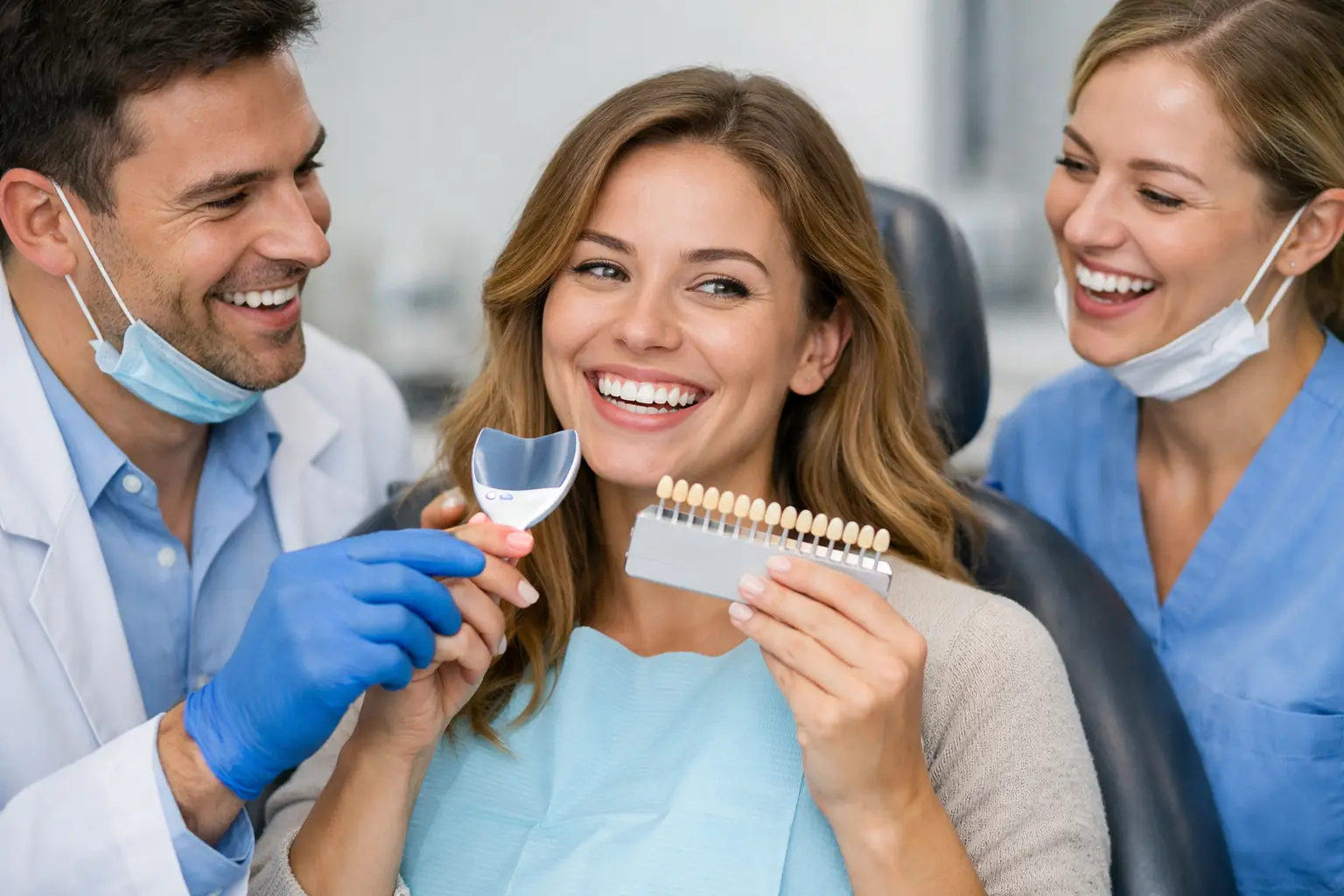
A brighter smile sounds simple until your teeth start zinging after a whitening strip or an online product promises dramatic results overnight. If you are wondering how to whiten teeth safely, the right answer is not the fastest one. It is the one that protects your enamel, respects sensitive teeth, and matches the reason your smile looks stained in the first place.
Teeth whitening can work very well, but it is not one-size-fits-all. Some stains respond quickly to whitening products, while others barely change. Some people can use over-the-counter options without trouble, while others are better off with a customized plan from a dental team. The safest approach starts with knowing what whitening can do, what it cannot do, and when to slow down.
What whitening can actually fix
Most whitening products are designed to lift external and some internal staining from natural tooth enamel. Common causes include coffee, tea, red wine, tobacco, and the gradual yellowing that comes with age. In these cases, whitening may noticeably brighten your smile.
But not every tooth discoloration responds the same way. Yellow-toned teeth often whiten better than gray-toned teeth. Stains from trauma, certain medications, or developmental changes can be more stubborn. Crowns, veneers, fillings, and bonding also do not whiten like natural teeth, so you can end up with uneven color if you treat surrounding teeth without a plan.
That is one reason professional guidance matters. Whitening is often presented as a cosmetic quick fix, but the safest results come from understanding what kind of discoloration you have before you begin.
How to whiten teeth safely at home
If your teeth and gums are healthy, at-home whitening may be a reasonable place to start. The key is choosing products carefully and using them exactly as directed.
Whitening strips and whitening gels usually contain peroxide-based ingredients that break down stains. These products can be effective for mild to moderate discoloration, especially if used consistently for the recommended period. More is not better. Leaving strips on too long, whitening more often than instructed, or stacking multiple products can increase tooth sensitivity and gum irritation without giving you meaningfully better results.
Whitening toothpaste is a gentler option, but it works differently. Many formulas rely more on mild abrasives or stain-removing agents than on true bleaching ingredients. That can help polish away surface stains, but it will not create the same change you might see with peroxide-based whitening. It is often best for maintenance rather than major whitening.
LED whitening kits are heavily marketed, but the light itself is not always the reason a product works. In many cases, the whitening effect comes from the gel, not the device. That does not mean every kit is unsafe, but it does mean the claims can be bigger than the actual benefit.
If you want to try an at-home product, choose one with clear instructions, avoid bargain products with vague ingredient lists, and stop if your teeth or gums become uncomfortable.
Signs you should not whiten yet
Whitening should never be the first step if your mouth is already telling you something is wrong. Tooth sensitivity, gum inflammation, cavities, cracked teeth, worn enamel, or untreated dental pain all deserve attention before any cosmetic treatment.
Bleaching agents can aggravate these problems. Even mild sensitivity can become much worse when peroxide reaches areas of exposed dentin or tiny enamel defects. If your gums are irritated, whitening gel can sting and leave the tissue more inflamed.
A recent dental exam and cleaning can make a real difference here. Sometimes stains are partly caused by plaque or tartar buildup, and a professional cleaning improves the look of your teeth before whitening is even considered. It also gives your dentist a chance to spot issues that could make whitening uncomfortable or less predictable.
Professional whitening vs. store-bought products
This is where trade-offs matter. Store-bought whitening is more convenient and usually less expensive upfront. For mild staining and healthy teeth, it may be enough.
Professional whitening tends to be stronger, more customized, and better supervised. That can mean faster results, but the bigger benefit is control. Custom trays fit your teeth more closely, which helps reduce gel contact with the gums. In-office systems are monitored so adjustments can be made if you have sensitivity or uneven whitening. If you have dental work in visible areas, a dentist can also help you plan around that instead of guessing.
For patients with sensitive teeth, a history of gum irritation, or discoloration that has not responded to over-the-counter products, professional whitening is often the safer route. It is also helpful when timing matters, such as before a wedding, job interview, or family photos, because you are less likely to waste weeks on products that do not deliver the result you hoped for.
The most common side effects and how to reduce them
The two most common whitening side effects are tooth sensitivity and gum irritation. Both are usually temporary, but they can be strong enough to make people quit treatment halfway through.
Sensitivity often feels like quick sharp zings, especially with cold drinks or air. This happens because whitening ingredients temporarily make the tooth more permeable. Gum irritation usually comes from gel sitting on soft tissue too long or from trays that do not fit well.
You can lower the risk by shortening wear time if the instructions allow, spacing treatments farther apart, and using a toothpaste made for sensitive teeth before and during whitening. Avoid whitening right after aggressive brushing or flossing if your gums tend to be tender. If a product burns, stings, or causes lingering pain, stop using it and get advice before trying again.
A little sensitivity does not always mean something is wrong. Persistent pain does.
Whitening methods to avoid
When people search for fast fixes, they often find DIY ideas that sound harmless because they are natural. That does not make them safe.
Brushing with baking soda occasionally is not the same as scrubbing your teeth daily with abrasive mixtures. Frequent use of charcoal powders, lemon juice, hydrogen peroxide rinses mixed at home, or internet whitening hacks can wear enamel down or irritate the mouth. Once enamel is lost, it does not grow back. Ironically, overdoing abrasive whitening can make teeth look more yellow over time because the underlying dentin shows through more easily.
It is also wise to be cautious with social media products that promise dramatic whitening in a day. If the ingredients are unclear, the directions are vague, or the product seems too aggressive to be true, trust that instinct.
How to keep teeth whiter after treatment
Whitening is not permanent. How long it lasts depends on your habits, your natural enamel, and the method you used.
The first 24 to 48 hours after whitening are especially important because teeth can be more prone to picking up new stains. Dark coffee, tea, red wine, cola, tobacco, and richly colored sauces can all dull your results sooner. Drinking stain-causing beverages through a straw can help a little, and rinsing with water afterward helps more than many people think.
Daily brushing, flossing, and regular dental cleanings matter just as much as the whitening itself. If plaque and surface stains keep building up, even a successful treatment will not stay bright for long. Touch-up whitening may be appropriate from time to time, but it should be done thoughtfully, not out of frustration every few weeks.
When to talk to a dentist first
If your teeth are unevenly colored, sensitive, restored with crowns or bonding, or darker than they used to be for no obvious reason, start with a dental evaluation. The same goes for anyone with gum recession, worn enamel, cavities, or a history of pain during whitening.
A dentist can tell you whether whitening is the right option, which method is safest, and whether another cosmetic approach would give a better result. Sometimes whitening is enough. Sometimes the better answer is replacing old visible dental work or treating the cause of discoloration instead of repeatedly bleaching around it.
At Oakville Dental House, this kind of conversation is part of a larger approach to care. Cosmetic goals matter, but they work best when they are built on a healthy foundation.
A whiter smile should feel like an upgrade, not a gamble. If you want brighter teeth, the safest path is the one that respects your enamel, your comfort, and the real condition of your smile before any whitening begins.
No responses yet