
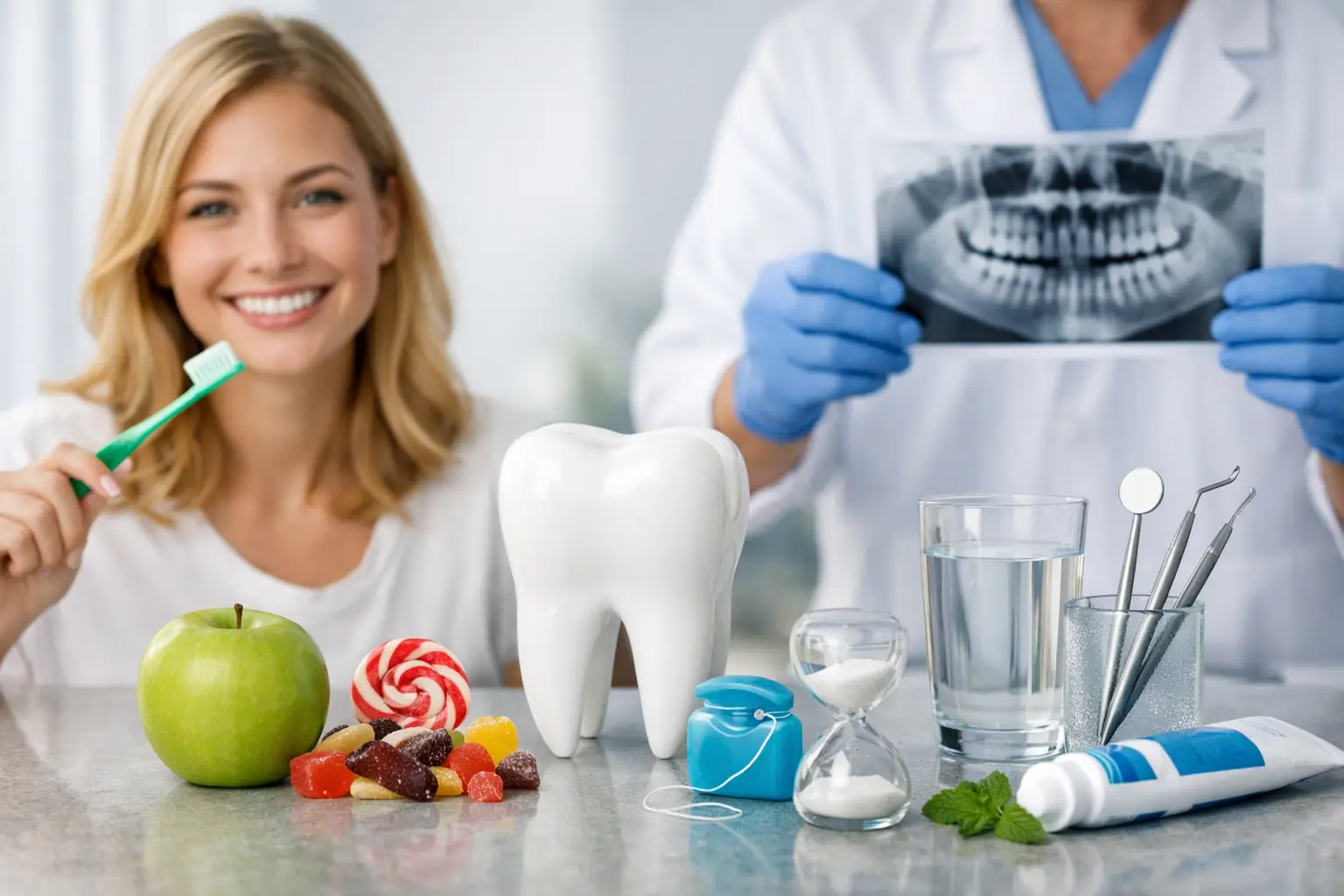
A cavity rarely starts with a dramatic toothache. More often, it begins quietly – a little plaque left along the gumline, frequent sipping on sweet drinks, or a brushing routine that misses the same spots day after day. The best ways to prevent cavities are usually simple, but they work best when they become consistent parts of everyday life.
Why cavities happen in the first place
Cavities form when bacteria in the mouth feed on sugars and starches and produce acid. That acid weakens tooth enamel over time. If the cycle keeps repeating without enough protection from saliva, fluoride, and good oral hygiene, the enamel begins to break down.
That is why cavity prevention is not about one perfect product or one extra-long brushing session after a weekend of treats. It is about lowering the number of acid attacks your teeth face and giving enamel the support it needs to stay strong.
The best ways to prevent cavities at home
Brush well, not just often
Brushing twice a day matters, but technique matters just as much. A rushed 20-second brush will not remove much plaque, especially around the back teeth and near the gums where cavities often begin.
Use a soft-bristled toothbrush and fluoride toothpaste. Brush for a full two minutes, angling the bristles toward the gumline and cleaning every surface of every tooth. Electric toothbrushes can be especially helpful for children, busy adults, and anyone who tends to brush too hard or too fast.
If you have sensitive teeth, a history of fillings, or recession near the gums, your dentist may recommend a specific toothpaste. Not every mouth has the same risk level, so the best routine is sometimes a personalized one.
Floss where your toothbrush cannot reach
Many cavities form between the teeth, where a toothbrush simply cannot do the job. Flossing once a day removes food debris and plaque from those tight spaces and helps reduce inflammation along the gums.
Traditional floss works well when used properly, but floss picks, interdental brushes, or water flossers can be good alternatives if they help you stay consistent. The tool matters less than the habit. If you only brush and skip the spaces between your teeth, you are leaving part of the surface uncleaned every day.
Make fluoride part of your routine
Fluoride helps strengthen enamel and can even slow or reverse very early areas of tooth decay before they become full cavities. For many patients, this is one of the most effective and most overlooked parts of prevention.
A fluoride toothpaste is the starting point. Depending on your risk, your dentist may also recommend a fluoride rinse or in-office fluoride treatment. Children, teens with braces, adults with dry mouth, and people who get cavities often may benefit from extra support.
There is some nuance here. More fluoride is not automatically better for every person in every situation, especially for very young children who may swallow toothpaste. The right amount depends on age, habits, and cavity risk.
Food and drink habits matter more than most people think
It is not just what you eat – it is how often
People often assume cavities come down to candy alone. Sugar does play a major role, but frequency matters just as much as quantity. If you snack all day or sip sweet coffee, sports drinks, juice, or soda over several hours, your teeth stay under repeated acid attack.
A dessert with a meal is usually less harmful than constant grazing. Saliva helps neutralize acids, but it needs time to do that work. If your mouth never gets a break, enamel has less chance to recover.
Water is one of the best choices between meals. It helps rinse the mouth, supports saliva flow, and does not feed cavity-causing bacteria. For families trying to lower cavity risk without feeling overly restrictive, simply cutting back on frequent sugary drinks can make a real difference.
Choose foods that support oral health
Crunchy vegetables, cheese, yogurt, nuts, and other lower-sugar foods are generally kinder to teeth than sticky, sugary snacks. Sticky foods tend to cling to grooves and between teeth, which gives bacteria more time to feed.
This does not mean you need a perfect diet to avoid cavities. It does mean that small swaps add up. A child who switches from gummy snacks to cheese and apple slices after school is making a better trade for their teeth. An adult who replaces constant sweetened coffee with plain coffee and water is doing the same.
Saliva is one of your mouth’s best defenses
Dry mouth raises cavity risk
Saliva helps wash away food particles, neutralize acids, and deliver minerals back to enamel. When the mouth is dry, teeth lose some of that natural protection.
Dry mouth can happen for many reasons, including certain medications, mouth breathing, aging, dehydration, and some health conditions. If you wake up with a dry mouth or feel like you need water constantly, it is worth paying attention.
Drinking more water can help, but sometimes that is only part of the answer. Sugar-free gum may stimulate saliva, and your dentist may suggest specific rinses or preventive treatments if dry mouth is increasing your cavity risk.
Do not ignore the back teeth
Molars do a lot of chewing, and their deep grooves can trap food and plaque easily. Even patients who brush regularly sometimes miss these surfaces.
For children and teens, dental sealants can be a smart preventive step. A sealant is a thin protective coating placed on the chewing surfaces of back teeth to help block bacteria and food from settling into the pits and grooves. Some adults can benefit too, depending on the shape and condition of their teeth.
This is one of those areas where prevention can be much simpler than treatment. Sealing a vulnerable tooth is easier than repairing decay later.
Regular dental visits catch small problems early
Professional cleanings still matter
Even strong home care leaves some plaque behind, and once plaque hardens into tartar, it cannot be brushed off at home. Professional cleanings remove buildup in places that are difficult to reach and help lower the bacterial load in the mouth.
Routine exams also give your dental team the chance to spot weak areas before they turn into larger cavities. Early decay is often painless, which is why people are surprised when a small filling is needed. Waiting for discomfort usually means the problem has had time to grow.
For some patients, a checkup every six months is appropriate. Others may need more frequent hygiene visits, especially if they have gum disease, braces, dry mouth, or a history of frequent decay. It depends on your oral health pattern, not just a standard calendar reminder.
Children benefit from early prevention
Parents sometimes assume baby teeth are less important because they will fall out anyway. In reality, healthy primary teeth support eating, speech, comfort, and the proper spacing of adult teeth.
Good cavity prevention for kids starts early with brushing, flossing once teeth touch, and routine dental visits. It also helps to avoid sending children to bed with milk or juice and to be mindful of all-day snacking. Building these habits young tends to make dental care feel normal rather than stressful.
Best ways to prevent cavities if you have braces, fillings, or past dental work
Patients with braces, crowns, bridges, or a history of cavities often need a more intentional routine. Brackets and wires create extra plaque traps. Teeth with past restorations can have edges where bacteria collect more easily if home care slips.
In these cases, the best ways to prevent cavities may include fluoride rinses, special brushes, water flossers, or more frequent cleanings. This is where a one-size-fits-all approach falls short. Prevention works best when it reflects your actual mouth, habits, and risk factors.
If you are not sure whether your routine is enough, ask your dental team to walk you through it. A few practical adjustments can be more helpful than buying a shelf full of products you may not need.
A realistic approach works better than a perfect one
Cavity prevention is not about never having sugar, never missing a floss, or brushing with flawless technique every day for life. It is about stacking the odds in your favor. Consistent brushing with fluoride toothpaste, cleaning between the teeth, smarter snacking, good hydration, and regular dental care go a long way.
At Oakville Dental House, we often find that patients do better when prevention feels manageable and personal rather than strict and complicated. If something in your routine is not working, that does not mean you have failed. It usually means the plan needs to fit your life a little better.
Healthy teeth are built through small decisions repeated over time, and the right support can make those decisions much easier to keep.
No responses yet