
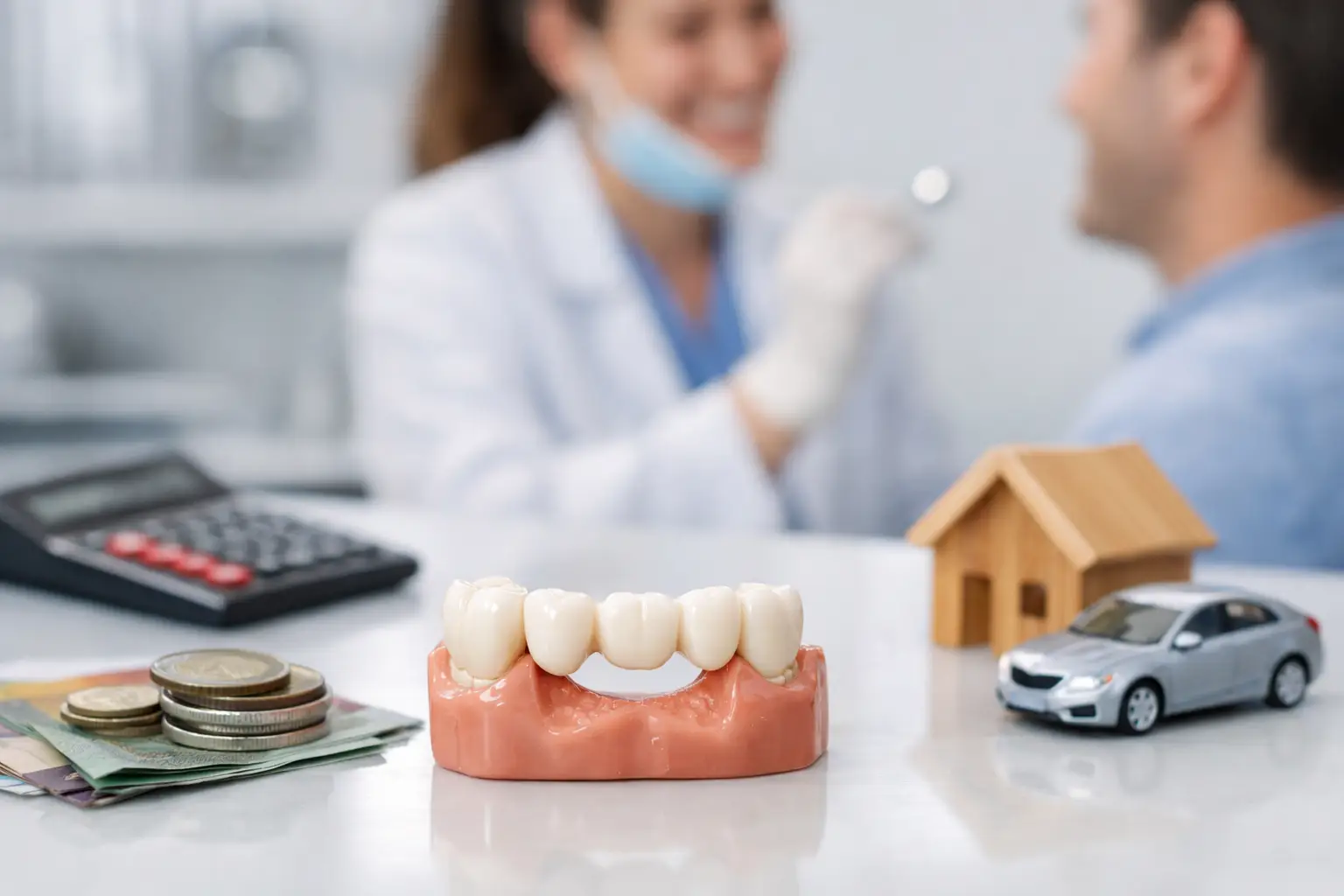
Losing a tooth can change more than your smile. It can affect how you chew, how clearly you speak, and how confident you feel in everyday moments. If you are researching dental bridge cost Ontario patients commonly pay, you are probably trying to balance comfort, function, and budget at the same time.
A dental bridge is a fixed restoration used to replace one or more missing teeth. It fills the gap with an artificial tooth that is supported by the teeth beside it, or in some cases by implants. For many patients, a bridge is a practical option because it restores appearance and function without the removable feel of a denture.
What affects dental bridge cost in Ontario?
There is no single price that fits every case. Dental bridge cost in Ontario depends on the type of bridge, the number of teeth being replaced, the materials used, and the condition of the surrounding teeth and gums.
A traditional bridge is one of the most common options. This type uses crowns on the teeth on either side of the gap to support the replacement tooth in the middle. The cost usually reflects not just the false tooth itself, but also the preparation, impressions or scans, lab work, and placement of the crowns.
The material matters too. Porcelain fused to metal can be more budget-friendly, while all-ceramic or zirconia options may cost more because of their appearance and strength. If the bridge is placed in a very visible area, many patients choose a material that blends more naturally with the rest of the smile.
The complexity of the case can also change the cost. If the teeth supporting the bridge already have large fillings, cracks, or gum issues, they may need treatment first. A bridge only works well when the foundation is healthy.
Typical dental bridge cost Ontario patients may see
Most patients want a ballpark number before they book a consultation, and that is completely reasonable. While fees vary by provider and case complexity, a traditional dental bridge in Ontario often falls somewhere around $2,000 to $5,000 or more. A simple three-unit bridge may sit toward the lower end of that range, while larger or more complex restorations can rise above it.
That range is broad because a bridge is not a one-size-fits-all service. A three-unit bridge means two supporting crowns and one artificial tooth. If more teeth are involved, the number of units increases, and so does the fee. The final cost may also include exams, X-rays, scans, temporary restorations, or any preparatory work needed before the bridge can be placed.
Implant-supported bridges usually cost more than tooth-supported bridges because they involve surgery, implant components, and a longer treatment timeline. They can be an excellent option in some situations, but they are not the most budget-friendly route upfront.
Why one dental office may quote a different price than another
It is tempting to compare price alone, but that rarely gives the full picture. One office may include diagnostic imaging, temporaries, and follow-up visits in the quoted fee, while another may list those separately. The lab used, the materials selected, and the dentist’s approach to planning and customization can all affect the total.
There is also a difference between replacing a tooth and restoring a bite in a way that feels stable and natural over time. A well-made bridge should fit properly, support your bite, and be designed to work with your long-term oral health, not just fill a gap quickly.
For families looking for care close to home, it can be helpful to choose a practice that can manage both the restorative work and the ongoing maintenance in one place. That kind of continuity often makes treatment feel less stressful.
Does dental insurance help with dental bridge cost Ontario fees?
Many dental plans provide partial coverage for bridges, but the amount depends on your specific policy. Some plans classify a bridge as a major restorative procedure and cover a percentage of the fee after any deductible has been met. Others may have annual maximums that limit how much they will contribute in a given year.
This is where timing matters. If your annual maximum is lower than the total treatment cost, part of the bridge may need to be paid out of pocket. In some cases, treatment can be planned across benefit periods, but that depends on your oral health needs and your insurance terms.
It is also worth asking whether your plan has a missing tooth clause. Some policies will not cover replacement of a tooth that was lost before your current coverage began. That surprises many patients, so it is best to check early rather than assume.
Is a dental bridge worth the cost?
For many patients, yes. A bridge does more than improve appearance. Replacing a missing tooth can help keep nearby teeth from shifting, support better chewing, and maintain balance in your bite. Leaving a gap untreated can lead to changes that make future treatment more complicated or expensive.
That said, a bridge is not automatically the right choice for everyone. If the neighboring teeth are completely healthy and untouched, some patients prefer to consider an implant because it does not require reshaping those adjacent teeth. On the other hand, if the neighboring teeth already need crowns, a bridge may make excellent sense.
This is one of those situations where the best option depends on the full picture, not just the fee.
Bridge vs implant vs partial denture
Patients often compare these three options because they solve the same basic problem in different ways.
A dental bridge is fixed in place and usually completed faster than an implant. It can be a very good solution when the adjacent teeth need support anyway. The trade-off is that a traditional bridge relies on neighboring teeth.
A dental implant stands on its own and helps preserve bone in the jaw. It is often the most independent solution, but it typically costs more upfront and takes longer to complete.
A partial denture is usually the most affordable option initially. It can work well for some patients, especially when replacing several teeth, but it is removable and may not feel as natural or stable as a fixed bridge.
If cost is your first concern, a partial denture may look appealing. If comfort, appearance, and fixed function matter most, a bridge or implant may be a better fit.
How dentists determine your final cost
The most accurate estimate comes after an exam. Your dentist will look at the missing tooth area, the condition of the surrounding teeth, your gum health, and your bite. X-rays or digital scans may be needed to see what is happening below the surface.
From there, the treatment plan becomes more specific. You can learn whether a bridge is possible right away, whether supporting teeth need work first, what material is being recommended, and how many appointments are likely needed. A good consultation should also include a clear financial breakdown, so you understand what is included and what is optional.
At Oakville Dental House, that kind of planning is part of helping patients feel informed rather than rushed. When people understand their choices, they tend to feel more confident moving forward.
Questions worth asking at your consultation
If you are comparing treatment options, ask what type of bridge is being recommended and why. Ask how long it is expected to last, what materials will be used, and whether there are lower-cost or longer-lasting alternatives. It is also smart to ask what maintenance will look like, because bridges need daily cleaning and regular dental visits to stay in good shape.
You should also ask for clarity on fees. Find out whether the quote includes imaging, temporary work, lab fees, and follow-up appointments. A straightforward estimate makes it much easier to plan.
A practical way to think about cost
When patients hear a wide price range, it can feel frustrating. But with dental bridges, cost follows the details. The number of missing teeth, the condition of the surrounding teeth, the material selected, and your insurance benefits all shape the final fee.
The better question is often not just, how much does a bridge cost, but what am I getting for that cost? A restoration that fits well, feels comfortable, and protects your long-term oral health usually brings more value than the lowest estimate on paper.
If you are considering a bridge, the next best step is a personalized exam and a clear conversation about your options. Getting the right plan from the start can save time, stress, and unnecessary expense later.
No responses yet