
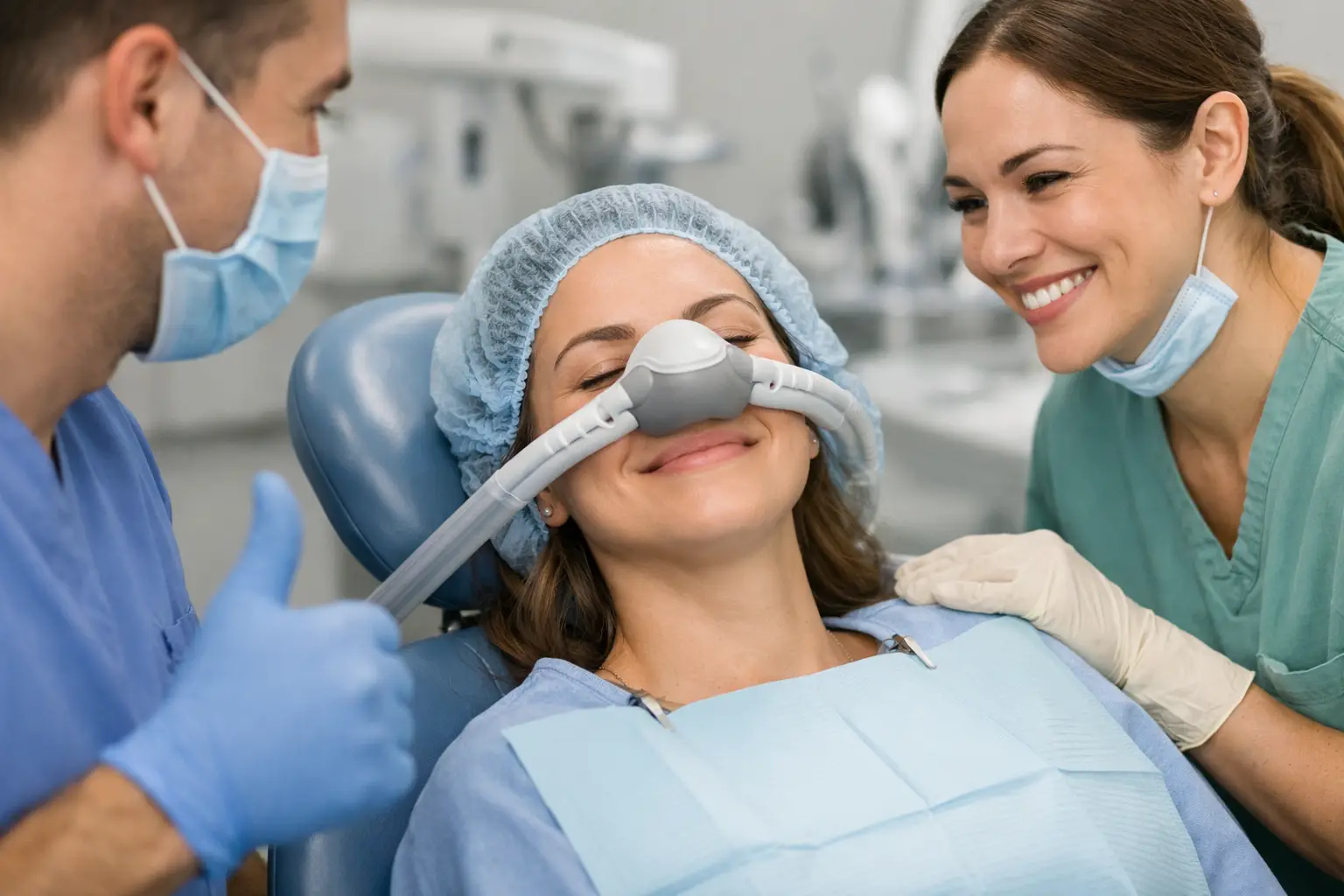
For many adults, dental anxiety is not a small case of nerves. It can mean putting off cleanings for years, living with pain longer than necessary, or feeling tense for days before an appointment. Sedation dentistry for anxious adults can change that pattern by making care feel more manageable, more comfortable, and far less overwhelming.
If that sounds like something you have been hoping for, the first thing to know is this: needing extra support during dental treatment is common. It does not mean you are difficult, and it does not mean you have failed at handling the dentist “like everyone else.” Anxiety has real physical and emotional effects, and good dental care should make room for that.
How sedation dentistry for anxious adults helps
Sedation dentistry is designed to reduce fear, ease physical tension, and help patients get through treatment with less stress. Depending on the type used, it may help you feel deeply relaxed, drowsy, detached from the sights and sounds around you, or less aware of time passing.
That can be especially helpful if your anxiety is tied to a past dental experience, a strong gag reflex, sensitive teeth, difficulty sitting still for long appointments, or a need for more extensive treatment. Some adults feel anxious the moment they smell a dental office. Others are fine until they hear the drill or think about needles. The reason matters, because it helps your dental team recommend the right level of support.
Sedation is not one-size-fits-all. For one person, a mild option may be enough to take the edge off. For another, a deeper level of relaxation may be more appropriate. The best approach depends on your health history, the type of procedure, and how intense your anxiety feels.
Common sedation options
Most adults are surprised to learn there is more than one way to approach sedation. The goal is not always to make you fully asleep. In many cases, it is simply to help you stay calm enough to comfortably receive care.
Nitrous oxide
Nitrous oxide, often called laughing gas, is one of the mildest sedation options. You breathe it in through a small mask, and it usually starts working quickly. Many patients describe the feeling as light, calm, and slightly detached.
A major benefit is that it wears off fast after the mask is removed. That makes it a practical choice for shorter visits or for adults who want some anxiety relief without a long recovery period. It may not be strong enough for severe dental fear, but for mild to moderate anxiety, it can make a meaningful difference.
Oral conscious sedation
Oral sedation usually involves taking prescribed medication before your appointment. This often creates a deeper sense of relaxation than nitrous oxide. You may feel sleepy, less alert, and less focused on what is happening during treatment.
This option can work well for adults who become anxious well before they even arrive at the office. The trade-off is that it is less adjustable once taken, and you will generally need someone to drive you to and from your appointment. Recovery can also take longer than with nitrous oxide.
IV sedation
IV sedation is a stronger option often used for more complex procedures or more significant anxiety. Because it is delivered through a vein, the dental team can monitor and adjust it more precisely during treatment.
Patients often remember little or nothing about the procedure afterward, which can be a relief if fear has been a major barrier to getting care. At the same time, it is not necessary for everyone. A thorough review of your medical history and treatment plan is essential before deciding whether IV sedation is the right fit.
What sedation does – and what it does not do
One common misunderstanding is that sedation and pain control are the same thing. They are related, but they are not identical. Sedation helps you feel calm and relaxed. Local anesthetic is what numbs the treatment area to control pain.
In practice, the two are often used together. You may be relaxed from sedation while the dentist still uses numbing medication to keep the procedure comfortable. That combination is often what makes treatment feel much easier than patients expected.
It is also worth knowing that sedation does not erase every sensation. You may still feel pressure or movement, depending on the procedure. The difference is that you are typically much less distressed by it.
Who may be a good candidate
Sedation can help adults in different situations, not just those with severe phobia. You may be a good candidate if you avoid treatment because of fear, have trouble tolerating routine procedures, or need several treatments completed efficiently.
It may also help if you have a very sensitive gag reflex, difficulty getting numb, jaw soreness from keeping your mouth open, or anxiety linked to embarrassment about the condition of your teeth. That last point matters more than people realize. Many adults delay dental visits because they are ashamed of how long it has been. A compassionate office understands that fear and focuses on helping you move forward.
That said, not every patient is suited for every type of sedation. Certain medications, health conditions, pregnancy, sleep apnea, and past reactions to sedatives may affect what is safe. This is why a careful consultation matters so much.
Questions to ask before choosing sedation dentistry for anxious adults
If you are considering sedation, ask direct questions. A good dental team should welcome them and answer clearly. You can ask which sedation methods are available, how they recommend choosing between them, what kind of monitoring is used, and what you should expect before, during, and after your visit.
You should also ask about practical details. Will you need someone to accompany you? How long will recovery take? Should you avoid food or drink beforehand? Will you be able to return to work the same day? Those answers may vary depending on the sedation option and the treatment being done.
Just as important, ask how the office supports anxious patients beyond sedation itself. Sometimes comfort comes from small things: a slower pace, clear explanations, breaks during treatment, or a team that checks in often. Sedation works best when it is part of a broader patient-centered experience, not the only strategy in the room.
What to expect at your appointment
Your first step is usually a conversation, not a procedure. The dentist will review your health history, discuss your anxiety level, and talk through the treatment you need. This is the time to be honest, even if your fear feels irrational. The more your team understands, the better they can plan your visit.
On the day of treatment, the exact process depends on the type of sedation used. With nitrous oxide, effects begin quickly and wear off quickly. With oral or IV sedation, you may feel sleepy for much longer and need more recovery support afterward.
During treatment, your team should continue to monitor you closely and communicate in a calm, straightforward way. That combination of clinical attention and emotional reassurance often makes the experience feel very different from past visits.
The real benefit is not just comfort
Sedation can make a single appointment easier, but the bigger benefit is what happens after that. When patients have one manageable, respectful dental experience, they are often more willing to come back. That can lead to more consistent cleanings, earlier treatment for problems, and fewer emergencies.
For adults who have spent years avoiding care, this can be the turning point. A cavity that might have become a root canal gets treated sooner. Gum inflammation gets addressed before it worsens. A broken tooth stops being something you work around every day and becomes something you finally fix.
That is why sedation matters. It is not about making dentistry feel fancy or dramatic. It is about removing a barrier that keeps people from getting the care they need.
At practices that prioritize comfort, including community-focused offices such as Oakville Dental House, sedation is part of a larger promise: modern care should still feel personal. If dental anxiety has been keeping you away, a calmer experience may be more possible than you think.
You do not need to force yourself through fear to take care of your health. Sometimes the most practical first step is simply asking what support is available.
No responses yet