
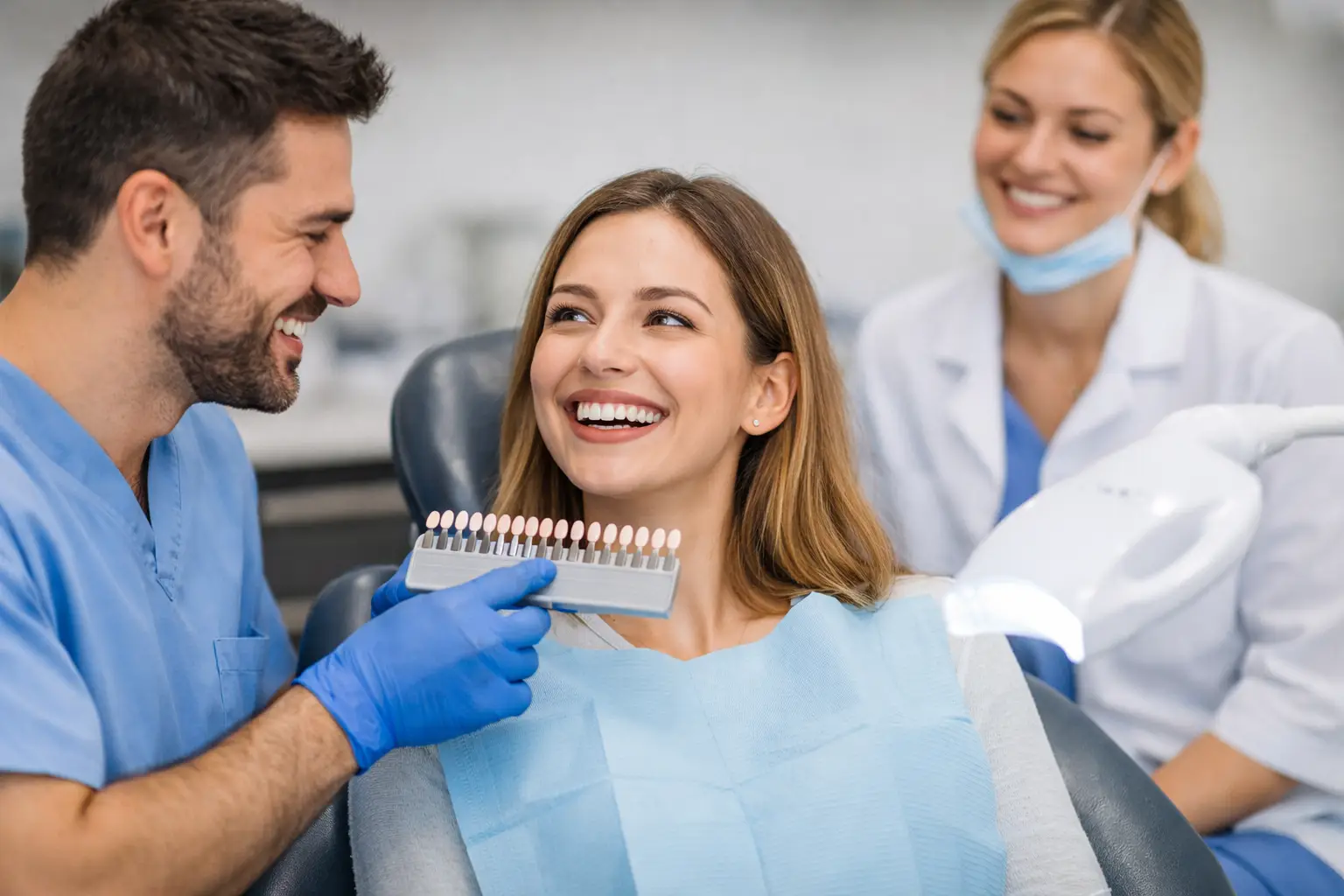
A brighter smile usually sounds simple until you start comparing whitening toothpastes, store-bought strips, online advice, and professional treatment. If you have been looking into teeth whitening Oakville ON, the real question is not just how to get whiter teeth. It is how to do it safely, comfortably, and in a way that fits your smile goals.
For some people, whitening is about looking more polished for work, photos, or a wedding. For others, it is about feeling like their smile matches how healthy they take care of themselves. Either way, whitening can make a noticeable difference, but the best results come from understanding what causes stains and which approach makes sense for your teeth.
How teeth whitening in Oakville, ON works
Teeth whitening works by using peroxide-based ingredients to break down stain molecules in the enamel and the layer beneath it. That process lightens the overall shade of the tooth rather than simply scrubbing the surface.
This matters because not all stains behave the same way. Surface stains from coffee, tea, red wine, and tobacco often respond well to whitening. Deeper discoloration can also improve, but the result may be more gradual and sometimes less dramatic. If a tooth is dark because of trauma, old dental work, or changes from certain medications, whitening may not create an even result on its own.
That is why a dental exam is such an important first step. Whitening is not one-size-fits-all. A dentist can look at the type of discoloration, the condition of your enamel, any existing fillings or crowns, and whether sensitivity or gum irritation could become an issue.
Who is a good candidate for teeth whitening Oakville ON
Many healthy adults are good candidates for whitening, especially when the concern is general yellowing or staining that has built up over time. If your teeth and gums are in good shape, whitening can be a straightforward cosmetic treatment.
There are a few situations where a little more planning is needed. If you have untreated cavities, gum inflammation, enamel wear, or exposed roots, whitening may need to wait until those issues are addressed. If you have visible crowns, veneers, or tooth-colored fillings in the front of your smile, it is also worth knowing that whitening products do not change the color of those materials. Natural teeth may get lighter while restorations stay the same shade.
For teens, pregnant patients, or anyone with a history of strong sensitivity, the answer is more dependent on the individual. It does not always mean whitening is off the table, but it does mean treatment should be chosen carefully.
Professional whitening vs. store-bought options
Most people weighing whitening treatment are really deciding between convenience and control. Store-bought products are easy to find and may help with mild staining, but they tend to use lower concentrations and generic trays or strips. That can mean slower results, uneven contact with the teeth, or irritation if the product touches the gums.
Professional whitening is more tailored. It starts with evaluating your oral health and selecting a treatment that matches your needs, rather than guessing based on packaging claims. In-office whitening is often chosen by people who want faster results and supervision during treatment. Take-home professional kits can also work very well, especially when custom trays are used to keep the gel where it belongs.
Neither option is automatically right for everyone. If your staining is minor and you have no sensitivity, an over-the-counter product might help. If you want more predictable whitening, have uneven discoloration, or simply prefer guidance, professional treatment tends to be the better fit.
What affects your whitening results
Two people can use the same whitening method and get different outcomes. That is normal. The starting shade of your teeth, the type of stains present, and the thickness and translucency of your enamel all affect the final result.
Daily habits matter too. Coffee, tea, red wine, dark berries, and tobacco can all contribute to ongoing staining. Even if whitening works well, those habits influence how long your smile stays bright afterward. That does not mean you need to give everything up. It simply means maintenance becomes part of the plan.
Age also plays a role. Over time, enamel naturally thins and the inner dentin shows through more strongly, which can make teeth appear darker or more yellow. Whitening can still help, but expectations should be realistic. The goal is often a healthier, fresher-looking smile, not a paper-white result.
Is teeth whitening safe?
When whitening is done appropriately, it is generally considered safe. The main side effects are temporary tooth sensitivity and mild gum irritation. These usually improve quickly once treatment ends or the product strength is adjusted.
Problems are more likely when whitening is overused or used without checking for underlying dental issues first. Applying whitening gel to teeth with cavities, cracked enamel, or inflamed gums can make discomfort worse. Chasing very white shades with repeated treatments can also lead to frustration and sensitivity without improving the result in a natural-looking way.
A good whitening plan balances effectiveness with comfort. That is one reason many patients prefer professional guidance. It helps keep the process focused, not excessive.
What an in-office whitening visit may feel like
If you choose in-office whitening, the appointment is usually straightforward. Your teeth are assessed and cleaned if needed, the gums are protected, and the whitening material is applied in a controlled way. Some systems use a special light, while others rely on the gel itself.
During treatment, you may feel little to nothing, or you may notice brief sensitivity that comes and goes. Patients describe it differently. Some feel a light zing in certain teeth. Others are comfortable throughout. Afterward, teeth may look brighter right away, though the final settled shade can take a short time to stabilize.
For many patients, the appeal is convenience. Instead of trying multiple products at home and hoping for the best, they can get a more directed treatment with the dental team watching for comfort and evenness.
Keeping your smile brighter after whitening
Whitening is not permanent, but it can last well with the right habits. Routine dental cleanings help remove surface buildup before it becomes more noticeable. Good home care matters too, especially brushing and flossing consistently.
The first couple of days after whitening are often the most important. Teeth can be more likely to pick up new stains during that window, so it helps to be careful with dark foods and drinks. After that, maintenance becomes more about common sense than strict rules.
If you enjoy coffee or tea, drinking water afterward can help. If you use tobacco, cutting back improves not only whitening longevity but overall oral health. Touch-up whitening from time to time may also be recommended depending on your habits and goals.
When whitening is not the best cosmetic solution
Sometimes whitening is the right treatment. Sometimes it is only part of the answer. If discoloration comes from aging restorations, chipped teeth, uneven shape, or intrinsic staining that does not respond well, other cosmetic options may create a better result.
Bonding, veneers, or replacing old visible dental work may be discussed if the goal is a more uniform smile. This is where comprehensive care makes a real difference. Rather than treating whitening as an isolated service, your dental team can look at the full picture and recommend what will actually help you feel confident when you smile.
At Oakville Dental House, that kind of coordinated approach matters. Cosmetic treatment should feel approachable, not overwhelming, and patients tend to feel more comfortable when they can ask questions, understand the trade-offs, and choose a plan that fits both their priorities and their timeline.
Choosing the right time to whiten
There is no perfect season for whitening, but there are common moments when patients decide it makes sense. Some book before weddings, vacations, graduation photos, or work events. Others do it after finishing orthodontic treatment or once they have completed routine dental care they had been putting off.
The best time is usually when your mouth is healthy and you have a clear idea of what you want to improve. If you are hoping for a small refresh, whitening may be enough. If you want a larger cosmetic change, whitening can be the starting point for a broader conversation.
A whiter smile should still look like your smile, just brighter, cleaner, and a little more refreshed. That is often where the most natural confidence comes from.
No responses yet