
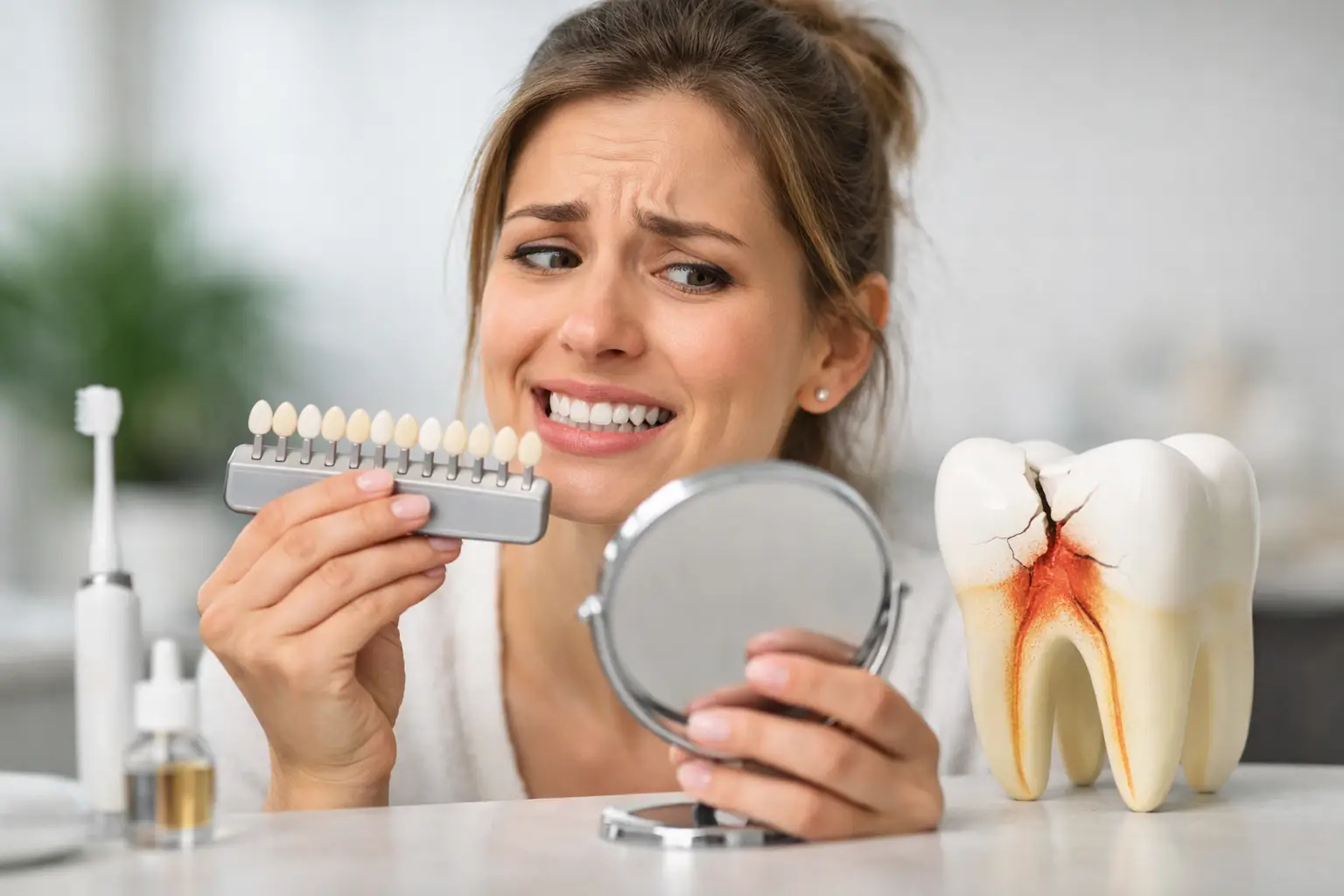
A lot of people want a brighter smile, then pause at the same question right before they start: does teeth whitening damage enamel? It is a fair concern. Enamel does not grow back, and no cosmetic treatment is worth trading away healthy teeth.
The reassuring answer is this: when whitening is done correctly, it does not damage enamel. Professional whitening products and well-made at-home options are designed to lift stains, not strip away the protective outer layer of the tooth. Where people can run into trouble is overuse, using the wrong products, or whitening teeth that already have untreated dental issues.
Does teeth whitening damage enamel or just cause sensitivity?
This is where a lot of the confusion starts. Enamel damage and tooth sensitivity are not the same thing.
Whitening works by using peroxide-based ingredients to break apart stain molecules in the tooth. That process can temporarily make teeth feel more sensitive, especially to cold drinks or air. Sensitivity can be uncomfortable, but it does not automatically mean the enamel has been harmed.
Think of it this way: a treatment can irritate the tooth for a short time without permanently weakening it. In most cases, post-whitening sensitivity fades within a few days. If pain is intense, lasts longer, or a tooth feels sore in one specific spot, that may point to another issue such as decay, a crack, gum recession, or worn enamel that was already present before whitening started.
How whitening actually works
Most whitening systems use hydrogen peroxide or carbamide peroxide. These ingredients penetrate the tooth surface and break up the compounds that cause discoloration. The goal is to lighten stains within the tooth structure, not scrub or sand the enamel off.
That matters because whitening is different from abrasive stain removal. Toothpastes marketed for whitening often work by polishing away surface stains. Some are gentle, while others are more abrasive than people realize. Used too aggressively, especially with hard brushing, abrasive products can contribute to enamel wear over time. The whitening gel itself is usually not the main problem. The way products are used matters more.
When teeth whitening can become a problem
A safe treatment can still become unsafe if it is overdone or used without guidance. That is usually where the real risk comes in.
Using whitening strips too often, leaving gel on longer than directed, layering multiple products at once, or trying social media DIY methods can all irritate teeth and gums. Acidic home remedies like lemon juice or charcoal-based scrubs are especially concerning. Those approaches can be abrasive or acidic enough to wear down enamel, and they are not a substitute for dental whitening.
Whitening can also be a poor choice if someone has untreated cavities, exposed roots, cracked teeth, or inflamed gums. In those cases, the whitening agent may reach areas that are more vulnerable, leading to significant discomfort and raising the risk of further problems. The issue is not simply the whitening product itself. It is using it on teeth that are not in a good condition to begin with.
Professional whitening vs. over-the-counter options
Professional whitening tends to be the safest and most predictable route because it starts with an exam. A dentist can tell whether the stains are likely to respond to whitening, whether there are existing problems that need attention first, and what strength of treatment makes sense.
Custom trays also help. When whitening gel fits the teeth properly, there is less chance of irritating the gums and less temptation to use more product than necessary. In-office whitening offers even more control, which is helpful for patients with sensitivity concerns or uneven staining.
Over-the-counter products can work well for mild to moderate staining, but they are not one-size-fits-all. Some people use them successfully with no issues. Others experience sensitivity because the product is too strong for their teeth, the trays do not fit well, or they keep going long after they should stop. Lower cost can be appealing, but less supervision means more room for misuse.
Who should be careful before whitening
Not every smile is a great candidate for whitening right away. If your teeth are already sensitive, if your gums have receded, or if you have a history of enamel wear, a quick whitening purchase may not be the best first step.
Patients with crowns, veneers, or tooth-colored fillings should also know that whitening does not lighten those materials. That can leave the smile looking uneven if natural teeth become brighter while older dental work stays the same shade. Tetracycline staining, gray discoloration, and internal tooth darkening can be more stubborn as well. In those cases, whitening may help somewhat, but it may not deliver the result people expect.
Teens, pregnant patients, and anyone with active oral health issues should speak with a dentist before starting treatment. A short conversation can prevent a lot of frustration.
Signs your whitening routine needs to stop
A little temporary sensitivity can be normal. Ongoing irritation is not something to push through.
If your teeth start to ache sharply, your gums turn white or feel burned, or sensitivity lingers well beyond the treatment period, stop whitening and get your teeth checked. Whitening should be controlled and temporary. It should not become a cycle where your mouth feels irritated for weeks because you are chasing one more shade.
That is one of the most common mistakes people make. They see some improvement, assume more must be better, and end up overdoing it. A brighter smile should still feel comfortable.
How to whiten safely without harming your teeth
The safest approach is usually the simplest one. Start with a dental exam if you can, especially if you have not had one recently. Clean teeth also whiten more evenly, so a professional cleaning may be recommended first if buildup is part of the discoloration.
Once you begin whitening, follow the instructions exactly. Do not add extra sessions just because an event is coming up. Do not sleep in trays unless they were specifically prescribed for that use. And do not combine strips, whitening toothpaste, mouthwash, and gel all at once hoping for faster results.
If you know your teeth are prone to sensitivity, there are ways to make treatment easier. A dentist may suggest spacing sessions farther apart, using a lower-concentration gel, or applying a desensitizing product before or after treatment. Sometimes small adjustments make a big difference.
It also helps to be realistic about maintenance. Coffee, tea, red wine, tobacco, and deeply pigmented foods can restain teeth over time. Whitening is not permanent, so the goal is not to keep re-whitening nonstop. It is to brighten your smile safely, then maintain it with good habits and occasional touch-ups.
Does teeth whitening damage enamel in the long term?
For most healthy patients who use whitening as directed, there is no good evidence that properly supervised whitening causes long-term enamel damage. That said, healthy patients and proper use are the key parts of that sentence.
Repeated, unsupervised whitening over long periods can lead to chronic sensitivity and irritation. It may also mask a deeper issue by making people think the discomfort is normal when there is actually decay, grinding, recession, or erosion involved. If your teeth are becoming more fragile or more sensitive over time, whitening should not continue until the cause is clear.
This is also why whitening should be part of overall dental care, not separate from it. A brighter smile looks best when the teeth and gums underneath are healthy.
What a dentist looks for before recommending whitening
A dentist is not only checking whether your teeth can get whiter. They are checking whether whitening is appropriate.
That includes looking for cavities, leaking fillings, gum disease, exposed root surfaces, enamel wear, and the type of staining present. Yellow-toned teeth often respond better than gray-toned teeth. Surface stains from food and drinks may improve nicely, while discoloration from trauma or medication may need a different cosmetic approach.
That kind of evaluation saves time and protects your teeth. It also helps set realistic expectations, which matters just as much as the treatment itself.
At Oakville Dental House, that conversation is part of the bigger picture. Cosmetic goals matter, but they should always be balanced with comfort, function, and long-term oral health.
If you are thinking about whitening, the best question is not only how white your teeth can get. It is how to get there safely, with a plan that keeps your smile healthy long after the first brightening treatment.
No responses yet