
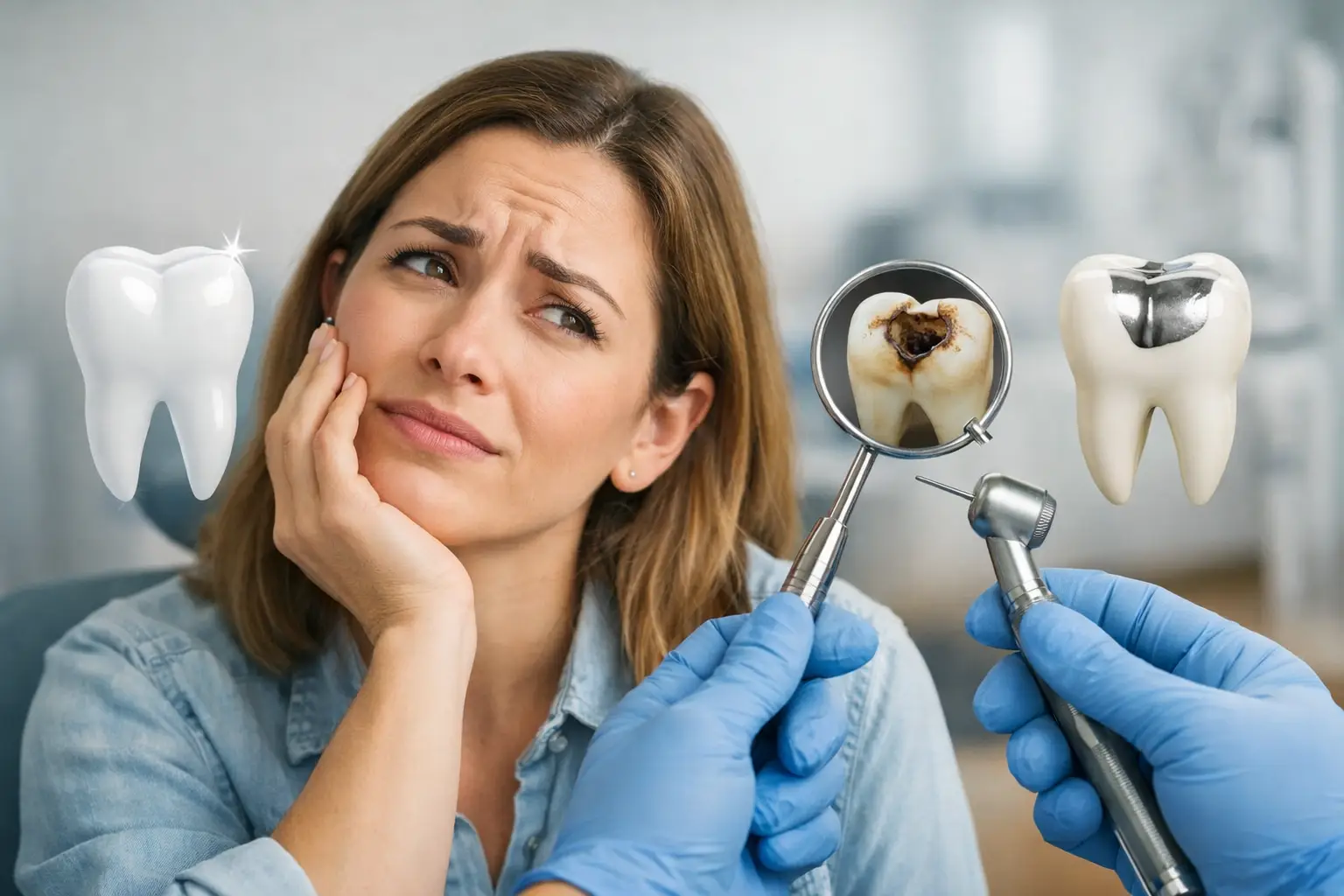
You notice a spot on a tooth, or your dentist mentions early decay, and the first question that comes to mind is simple: can cavities heal without fillings? Sometimes, yes – but only at a very early stage. Once a cavity has formed a true hole in the tooth, the tooth cannot rebuild that lost structure on its own, and a filling is usually the right next step.
That distinction matters because not all tooth decay is the same. Early enamel damage can sometimes be stopped or even reversed. More advanced decay cannot. Knowing the difference can save you discomfort, time, and a much bigger dental repair later.
Can cavities heal without fillings in the early stage?
A tooth does have a limited ability to recover from very early damage. This happens through remineralization, which is the natural process of restoring minerals like calcium and phosphate back into enamel. Saliva helps with this, and fluoride makes the process stronger by helping enamel resist acid attacks.
If decay is still confined to the enamel and has not created a physical cavity, your dentist may recommend a non-filling approach. This can include fluoride treatments, better home care, dietary changes, and close monitoring. In those cases, the goal is to halt the damage before the surface breaks down.
This is why dentists sometimes talk about an area of demineralization instead of a cavity. A chalky white spot on a tooth may be an early warning sign, not yet a hole. That stage can respond well to preventive care if you act quickly and stay consistent.
When a filling becomes necessary
Once bacteria and acid have created an actual opening in the enamel, the tooth cannot regrow the missing part. Think of remineralization as strengthening weakened enamel, not replacing a missing section of tooth. If there is a hole, food and bacteria can keep collecting there, and brushing alone will not fix the damage.
At that point, a filling does more than patch the tooth. It removes decayed material, seals the area, and helps stop the problem from progressing deeper. Without treatment, decay can move into dentin and eventually the pulp, where the tooth’s nerve lives. That is when a small problem can turn into pain, infection, or the need for a root canal or extraction.
This is one reason delaying care can be risky. People often hope sensitivity will go away or that better brushing will undo the issue. Sometimes improved hygiene helps with early enamel changes, but it will not close an established cavity.
What early tooth decay looks and feels like
Early decay is easy to miss. You may not feel anything at all. In many cases, the first signs are subtle white spots, mild sensitivity to sweets, or an area that looks dull instead of glossy.
As decay advances, symptoms tend to become more noticeable. You might feel sensitivity to cold drinks, pain when biting, food catching in one spot, or a visible brown or black area. Bad breath can also develop when bacteria collect in decayed areas.
Still, symptoms are not a reliable way to judge severity. Some cavities cause no pain until they are quite deep. That is why routine exams and X-rays matter. A dentist can often find decay long before you would know it is there.
Why some cavities seem to stop getting worse
You may hear someone say they have had a cavity for years and never needed it filled. Sometimes what they actually have is arrested decay. That means the decay process has slowed or stopped for now, often because diet, fluoride exposure, and oral hygiene improved.
Arrested decay is more likely on root surfaces or in areas that are easier to keep clean. It may look dark or hard rather than soft and active. Even then, it still needs professional evaluation. A dark spot is not always harmless, and a stable area can become active again if conditions change.
So yes, decay can sometimes be controlled without a filling, but that depends on the stage, the location, and your risk factors. It is not something to guess at from the bathroom mirror.
What helps reverse very early decay
If your dentist identifies decay before a cavity forms, the treatment plan usually focuses on changing the environment in your mouth. The aim is to give enamel a chance to regain strength instead of losing more minerals.
Fluoride is one of the most helpful tools. It can come from toothpaste, mouth rinse, prescription-strength products, or in-office varnish treatments. Fluoride works best when used consistently and paired with excellent plaque control.
Diet also matters more than many people realize. Cavities are not just about sugar quantity. They are also about frequency. Sipping soda, snacking often, or constantly reaching for sticky carbohydrates gives bacteria repeated fuel throughout the day. Reducing those acid attacks gives enamel a better chance to recover.
Dry mouth is another major factor. Saliva helps neutralize acids and deliver minerals back to the teeth. If you take medications that cause dry mouth, breathe through your mouth at night, or feel persistently dry, let your dentist know. Managing dry mouth can make a real difference in preventing progression.
Can cavities heal without fillings in children and adults?
The basic answer is the same for both: early enamel damage may be reversible, but a true cavity is not. That said, children often need especially close monitoring because decay can move faster in baby teeth. Their enamel is thinner, and small changes can become larger problems more quickly.
Adults face a different set of challenges. Receding gums can expose root surfaces, which are softer than enamel and more vulnerable to decay. Fillings from years ago can also develop new decay around their edges. In both age groups, early detection gives you more conservative options.
For families, this is where regular dental visits really pay off. Catching a weak spot early is usually simpler, more comfortable, and less expensive than waiting until treatment is unavoidable.
Common myths about healing cavities
One common myth is that if a tooth does not hurt, it does not need treatment. Unfortunately, cavities can stay painless for a long time. Pain often shows up later, when the problem is larger and closer to the nerve.
Another myth is that natural remedies can heal a cavity completely. A healthy diet supports oral health, and some habits absolutely help reduce decay risk, but no supplement or home remedy can replace lost tooth structure once a cavity has formed.
There is also confusion around whitening, brushing harder, or using special rinses to “clean out” a cavity. These steps may improve surface appearance or freshness, but they do not repair a hole in the tooth.
How to know what your tooth needs
The honest answer is that it depends on what your dentist sees during the exam. A white spot lesion may call for prevention and monitoring. A small cavity may need a simple filling. A deeper area might require more involved treatment.
Good dental care is not about doing more than necessary. It is about choosing the least invasive option that still protects the tooth. That is why a thoughtful exam matters. You want to know whether the area is active or stable, how deep it is, and what will best preserve the tooth long term.
At Oakville Dental House, that conversation is part of the care experience. Patients want clear answers, not pressure. If there is a way to protect a tooth without a filling, that is worth considering. If a filling is the best option, treating it early is often the simplest path.
If you are wondering whether a spot on your tooth can wait or needs attention now, the safest move is to have it checked before it turns into something more complicated. A small answer today can prevent a much bigger appointment later.
No responses yet